Making Sunscreen Part of Daily Life
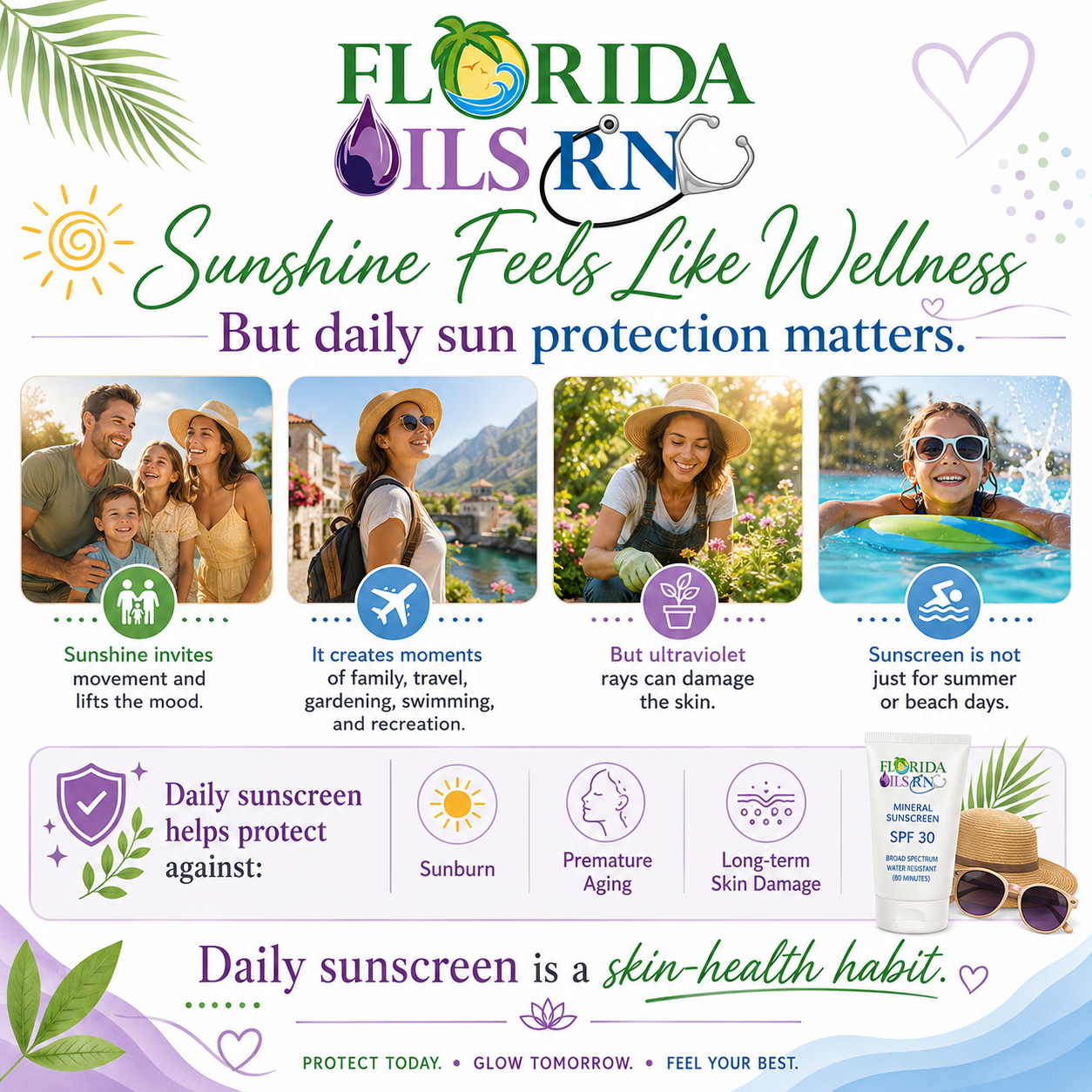
Sunshine is part of everyday life. Whether you’re gardening, walking the dog, spending time at the beach, or cheering at a child’s ballgame, time outdoors can support health and well-being. However, protecting your skin during those moments is just as important as enjoying them. Yet the same sunlight that brightens a day also carries ultraviolet radiation that can damage the skin. Sunscreen protection is not simply a summer habit or a beach-day extra. It is a daily skin-health practice that helps protect against sunburn, premature aging, and long-term skin damage.
As a registered nurse, I’ve spent years teaching people that prevention is often easier than treatment. Sun protection is one of the simplest daily habits that can help support healthier skin over time.
The sun produces two major types of ultraviolet rays that affect the skin: UVA and UVB. UVB rays are strongly associated with sunburn, while UVA rays penetrate more deeply and contribute to visible aging, uneven skin tone, and skin damage over time. Because both types matter, health agencies recommend using broad-spectrum sunscreen, which is designed to protect against both UVA and UVB rays. The FDA recommends applying a broad-spectrum sunscreen with an SPF of 15 or higher before going outside, while the American Academy of Dermatology recommends regular use of SPF 30 or higher for people of all skin types.
Sunscreen is especially important because sun exposure is cumulative. A person may not notice damage after a quick walk, a morning in the garden, or a cloudy afternoon at a child’s ballgame. However, small exposures add up over time. The FDA explains that broad-spectrum sunscreens with SPF 15 or higher, when used as directed with other sun-protection measures, help reduce the risk of skin cancer and early skin aging caused by the sun. The FDA also emphasizes that sunscreen should be reapplied at least every two hours, and more often after swimming or sweating.
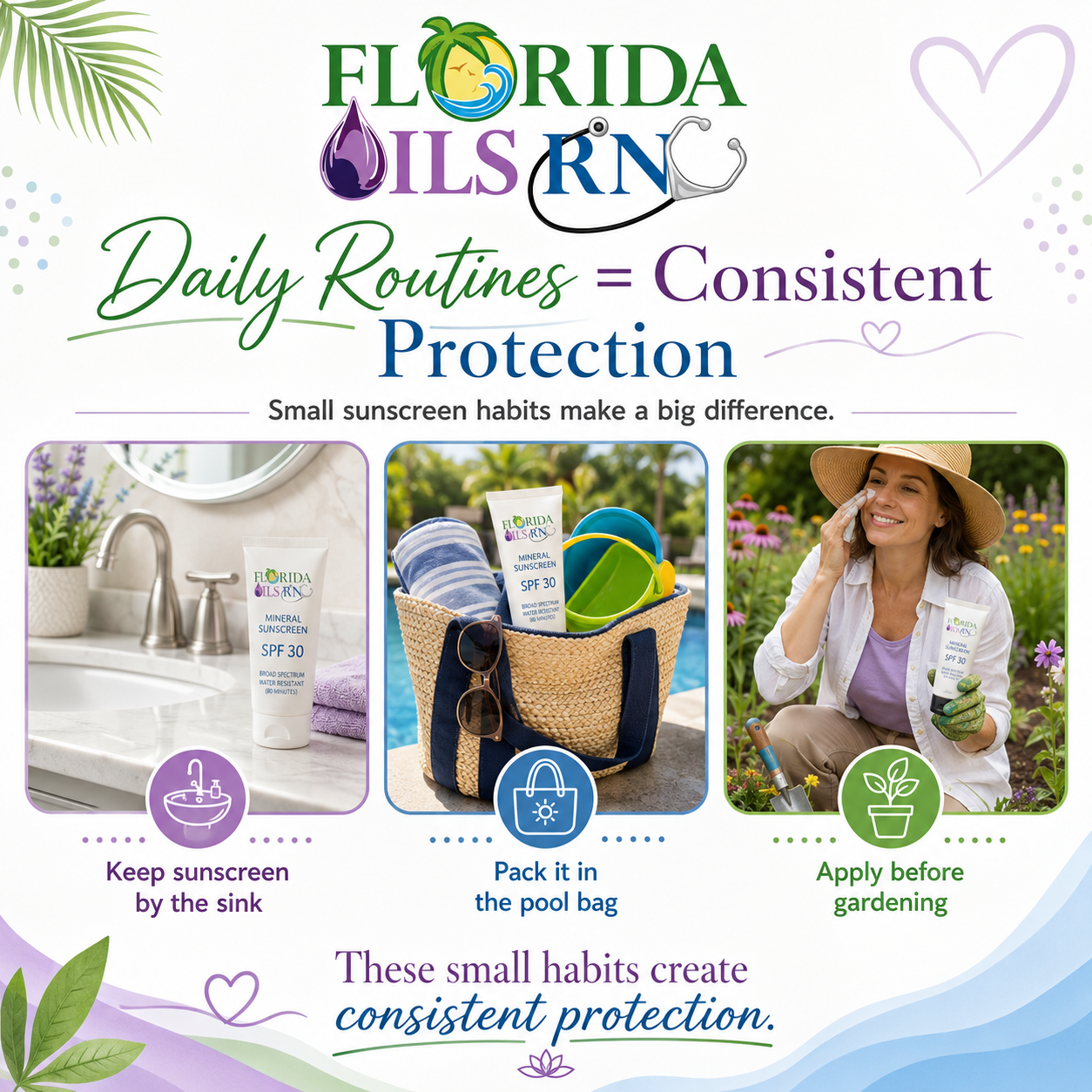
This is where small daily habits can make a meaningful difference. A person who keeps sunscreen near the bathroom sink may remember to apply it before errands. A parent who stores sunscreen in a pool bag may be more likely to reapply it during outdoor play. A gardener who applies sunscreen before pulling weeds in the morning is protecting skin during an everyday task, not just during a vacation. These small habits create consistent protection.
Once sunscreen becomes part of a daily routine, choosing products that are easy and enjoyable to use becomes important. Here’s why. The doTERRA sun Face + Body Mineral Sunscreen Lotion is formulated with non-nano zinc oxide and provides SPF 30 broad-spectrum UVA and UVB protection. doTERRA describes the lotion as lightweight and plant-based, with ingredients such as aloe. This type of product can be useful for families who want one sunscreen option for both face and body, especially for outdoor days that involve walking, gardening, sports, or time by the water.
For a busy morning, the doTERRA sun Face Mineral Sunscreen Daily Moisturizer provides SPF 30 sun protection while also moisturizing the face. doTERRA notes that the formula is tested as safe for sensitive skin and includes vitamin E and antioxidant ingredients. This is a helpful example of combining skin care with sun protection. Many people forget sunscreen because it feels like an additional step. A daily moisturizer with SPF can make protection easier to include in a normal morning routine.
For targeted application, doTERRA sun Face + Body Mineral Sunscreen Stick provides SPF 40 broad-spectrum UVA and UVB protection. It includes plant-based ingredients such as shea butter, cocoa butter, and vitamin E, along with doTERRA essential oils including Frankincense, Helichrysum, and Carrot Seed. A sunscreen stick can be especially practical for areas that are easy to miss, such as the nose, ears, cheekbones, shoulders, and the tops of hands. It can also be convenient for children because it is less messy than lotion and easier to apply quickly.
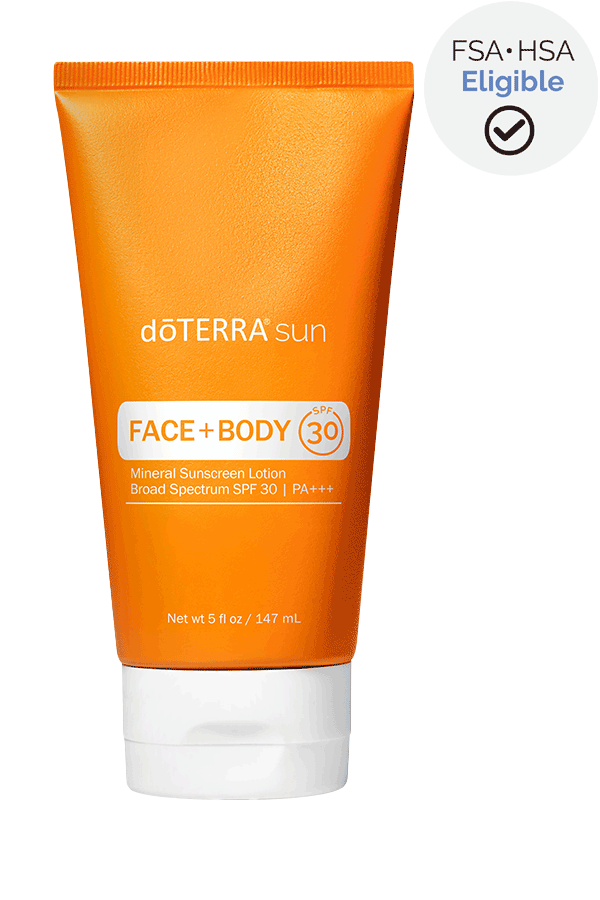
doTERRA Sun Face + Body Mineral Sunscreen Lotion
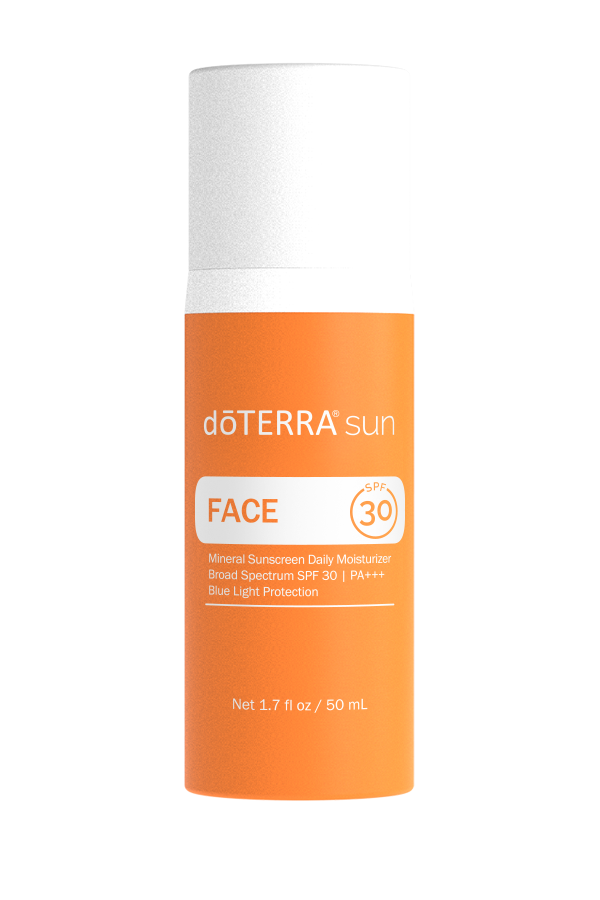
doTERRA Sun Face Mineral Sunscreen Daily Moisturizer
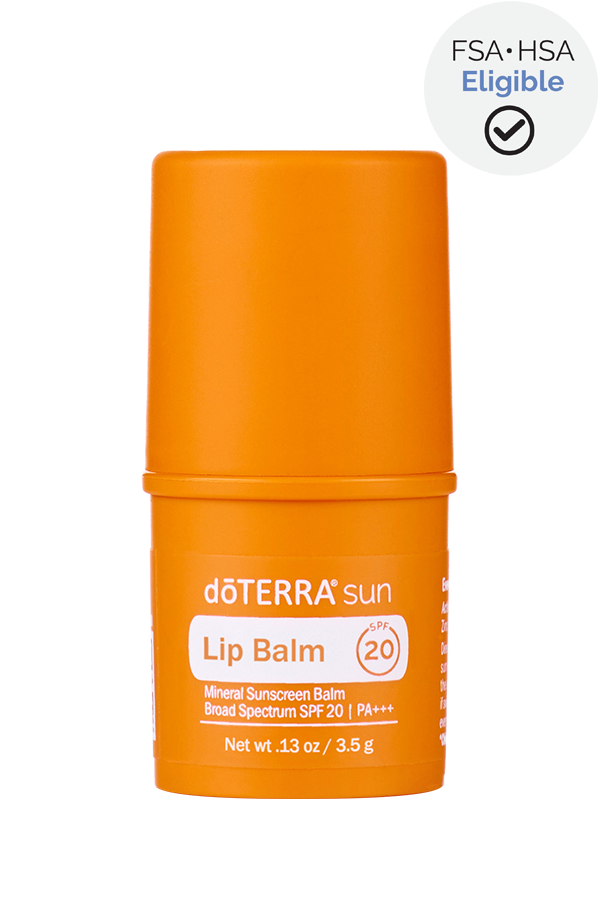
doTERRA sun Mineral Sunscreen Lip Balm
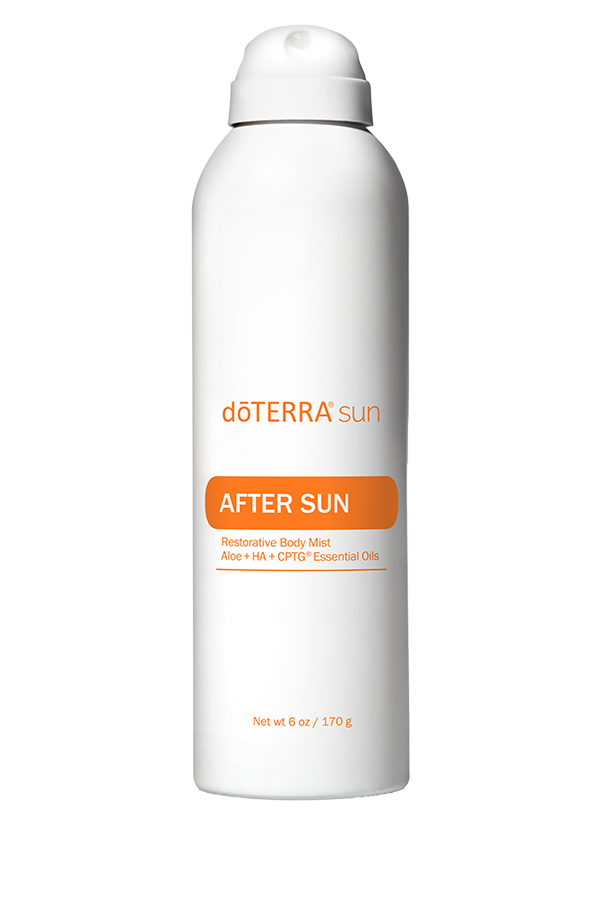
doTERRA sun After Sun Restorative Body Mist
Water resistance matters, too. Outdoor life often includes sweat, sprinklers, lakes, pools, or humid weather. doTERRA states that its sun Face + Body Mineral Sunscreen Lotion is SPF 30, broad-spectrum, and water-resistant for up to 80 minutes. The doTERRA sun Body Mineral Sunscreen Spray is also described as SPF 30, broad-spectrum, and water-resistant for up to 80 minutes, packaged in a non-aerosol aluminum spray bottle for easier coverage. Different sunscreen formats serve different needs, making it easier to choose protection that fits your lifestyle. Lotion may be best for deliberate full coverage, a stick may be best for touch-ups, and a spray may help cover larger body areas quickly.
Even the best sunscreen only works when it is applied correctly and reapplied consistently. Apply it generously before going outside. Cover commonly missed places: ears, neck, hairline, hands, feet, and the backs of legs. Reapply every two hours, and reapply sooner after swimming, toweling off, or sweating. Sunscreen should also be paired with shade, hats, sunglasses, and protective clothing. The FDA specifically recommends sunscreen as part of a broader sun-protection plan, not as the only protective measure.
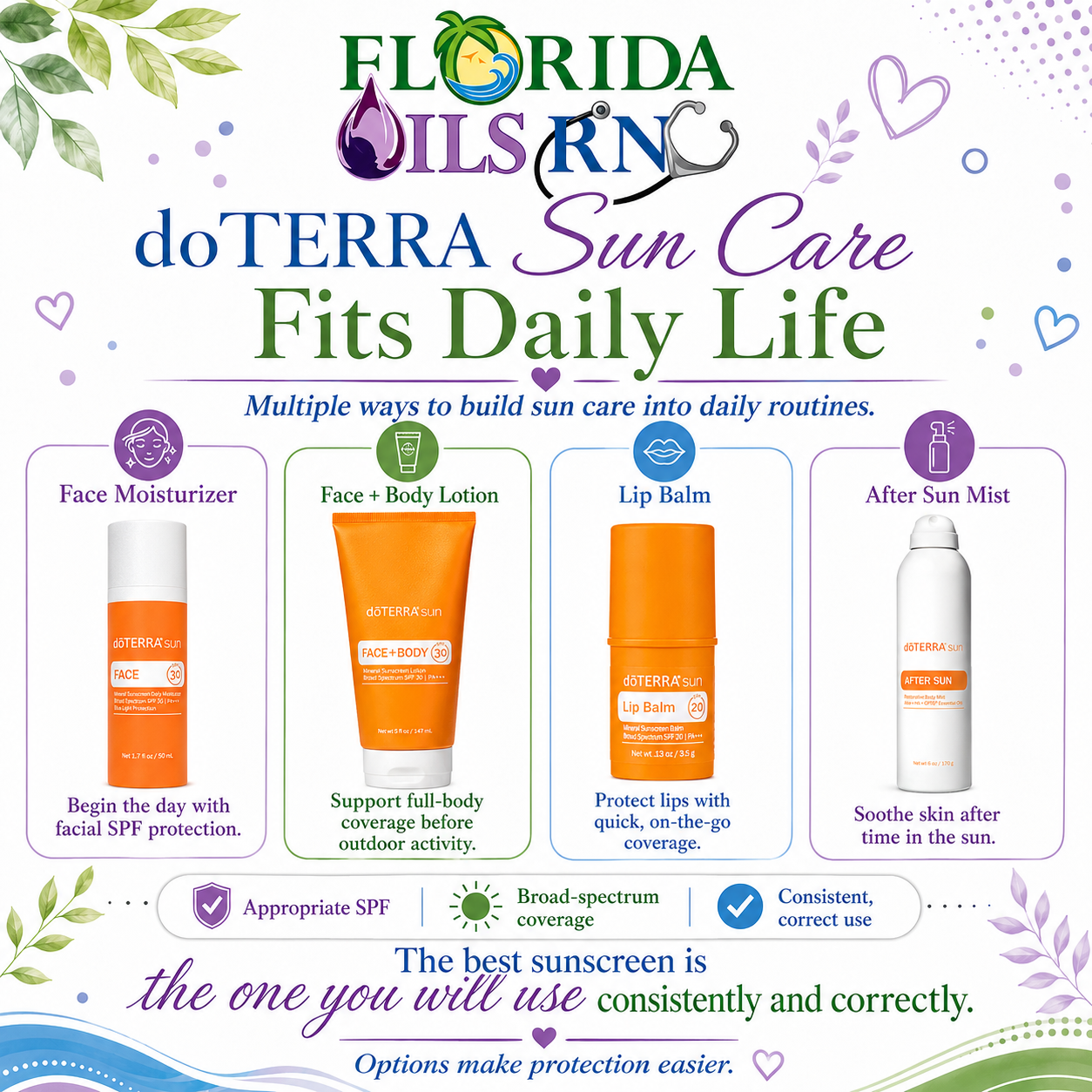
The benefit of doTERRA sun protection products is that they provide multiple ways to build sunscreen into daily routines. A facial moisturizer can begin the day with protection. A lotion can support full-body coverage before outdoor activity. A stick can help with quick reapplication. A spray can make coverage easier when a family is already heading outside. These options matter because the best sunscreen is not only the one with appropriate SPF and broad-spectrum coverage; it is also the one a person will use consistently and correctly.
Sun protection is an act of prevention. It protects the skin today while supporting healthier skin in the years ahead. Whether the day includes a walk, a garden, a beach, a playground, or a drive across town, sunscreen helps make time in the sun safer, more intentional, and more protective of long-term wellness.
How Strong Are Your Sun Protection Habits?
Curious how your current habits compare with recommended sun-protection practices? Take this quick quiz to find out.
Read more!


As the days grow longer and the sun shines brighter, we’re all eager to enjoy the outdoors—whether it’s at the beach, on a hike, or just lounging in the backyard. But while the sun brings warmth and energy, it also carries risks. For those who prefer a more natural approach to skincare, essential oils can offer soothing, supportive benefits—when used correctly. This includes pet safety in the sun.