The Respiratory System and doTERRA Essential Oils
Understanding the Respiratory System
The respiratory system is the network of organs, muscles, and airways that allows the body to take in oxygen and remove carbon dioxide. Its major structures include the nose, nasal passages, sinuses, mouth, throat, larynx, trachea, bronchi, lungs, diaphragm, and muscles surrounding the ribs.
When a person inhales, air normally enters through the nose or mouth. The nose helps warm, moisten, and filter the incoming air. The air then travels through the throat and trachea before entering two main bronchial tubes, with one leading to each lung. These tubes repeatedly divide into smaller passages called bronchioles.
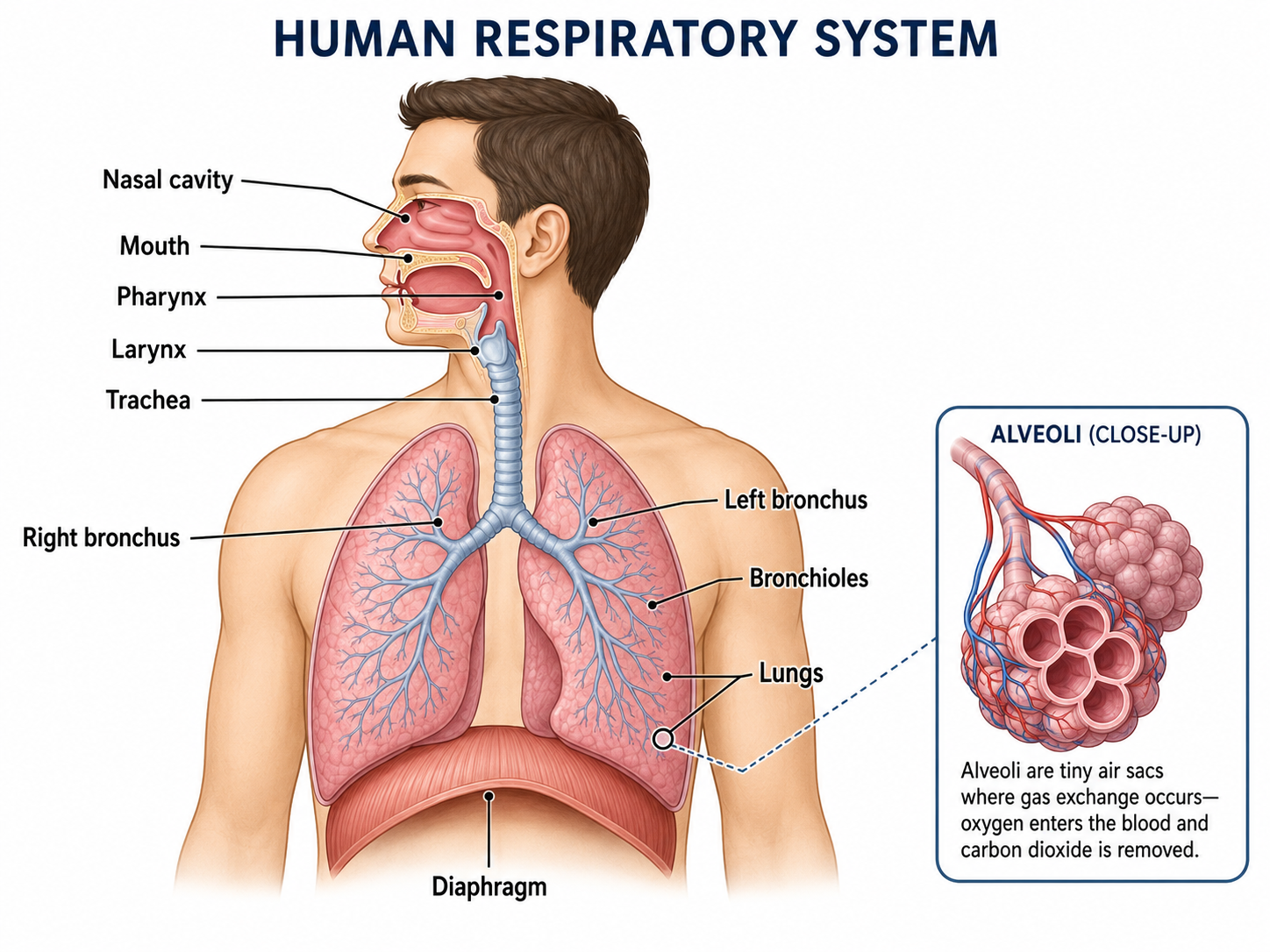
At the ends of the bronchioles are millions of microscopic air sacs called alveoli. The alveoli are surrounded by tiny blood vessels called capillaries. Oxygen passes through the thin walls of the alveoli and enters the bloodstream. At the same time, carbon dioxide moves from the blood into the alveoli so that it can be removed when the person exhales. This gas-exchange process supplies the body’s cells with the oxygen needed to function.
Breathing is powered primarily by the diaphragm, a dome-shaped muscle located beneath the lungs. When the diaphragm contracts and moves downward, the chest cavity expands and air is pulled into the lungs. The muscles between the ribs also help expand the chest. During normal exhalation, these muscles relax, the space in the chest decreases, and air moves out of the lungs.
The respiratory system also helps protect the body. Mucus traps dust, allergens, and other particles, while tiny hairlike structures called cilia move trapped material out of the airways. Coughing and sneezing provide additional protective mechanisms. Maintaining respiratory health depends on factors such as avoiding smoking and vaping, limiting exposure to pollutants, remaining physically active, receiving appropriate vaccinations, and obtaining medical care when respiratory symptoms occur.
Essential oils cannot improve oxygen exchange, cure an infection, open medically constricted airways, or repair lung tissue. Aromatic essential oils may, however, provide a refreshing sensory experience, create a feeling of clearer breathing, support relaxation, or make a room feel more comfortable. These subjective effects can contribute to respiratory well-being, but they should not be confused with measurable improvements in lung functio
Recommended doTERRA Products
Frequently Asked Questions: doTERRA Essential Oils and Respiratory Well-Being

-
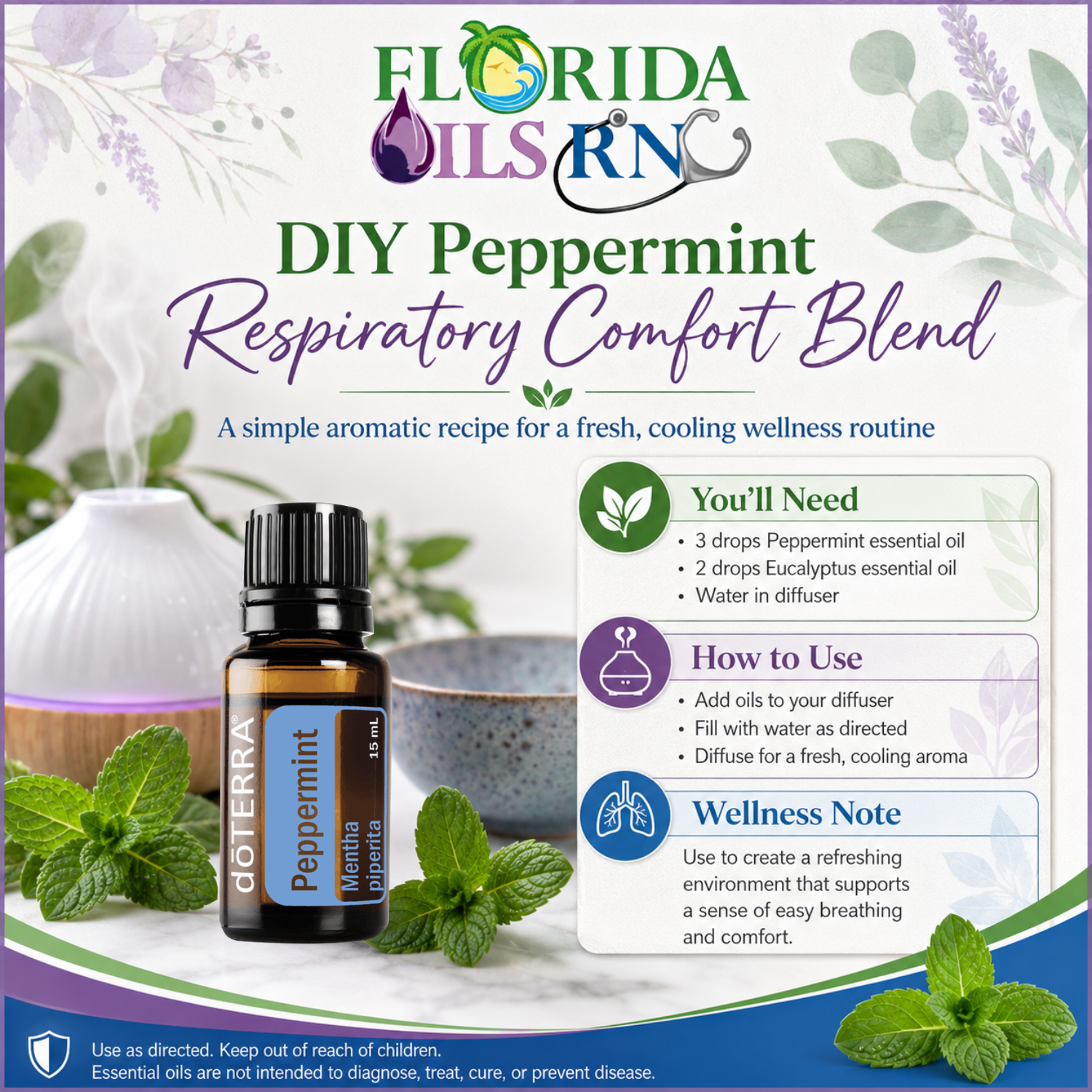
doTERRA essential oils may support respiratory well-being by creating a fresh, cooling, or soothing aromatic experience. Oils containing peppermint, eucalyptus, citrus, or other strongly aromatic plant compounds may produce a subjective feeling of openness or freshness when inhaled appropriately.
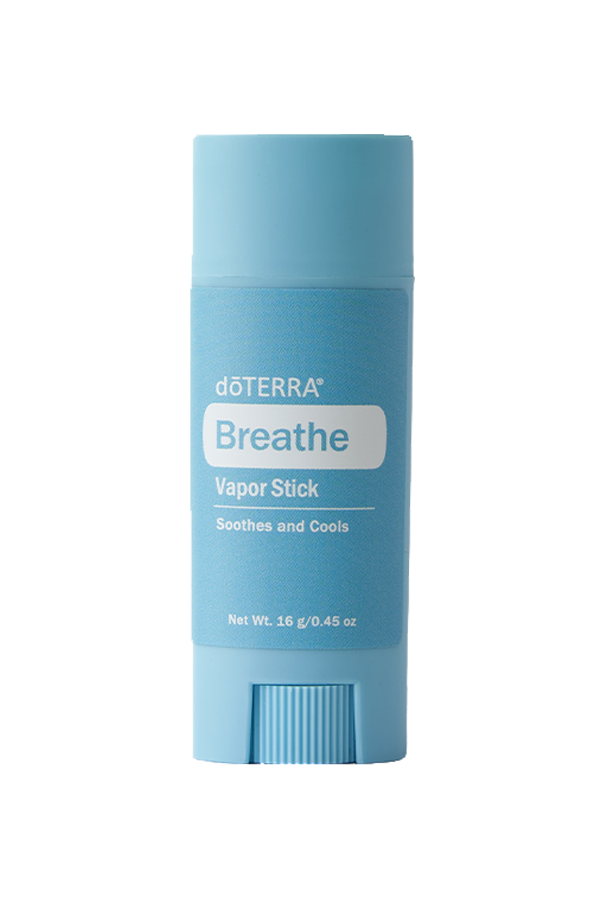
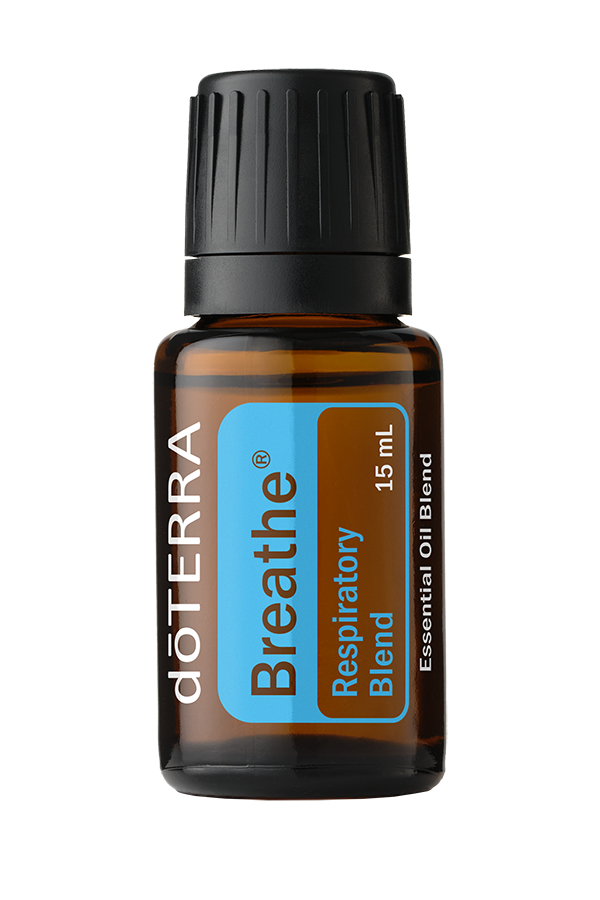
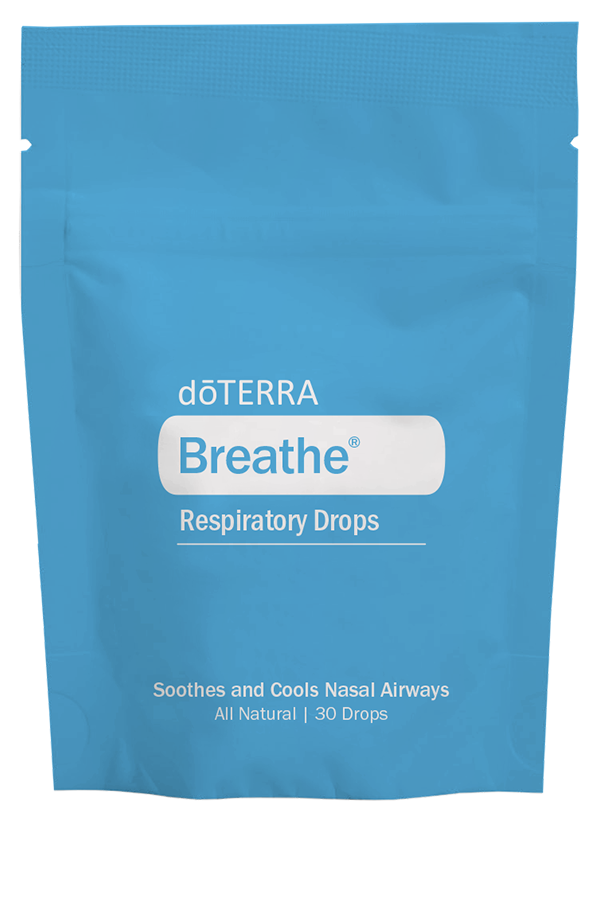
doTERRA describes its Breathe Respiratory Blend as an aromatic product designed to promote feelings of open airways and a sense of easy breathing. These statements describe sensory experiences and general wellness support; they do not mean the product medically opens narrowed airways or increases oxygen levels.
-
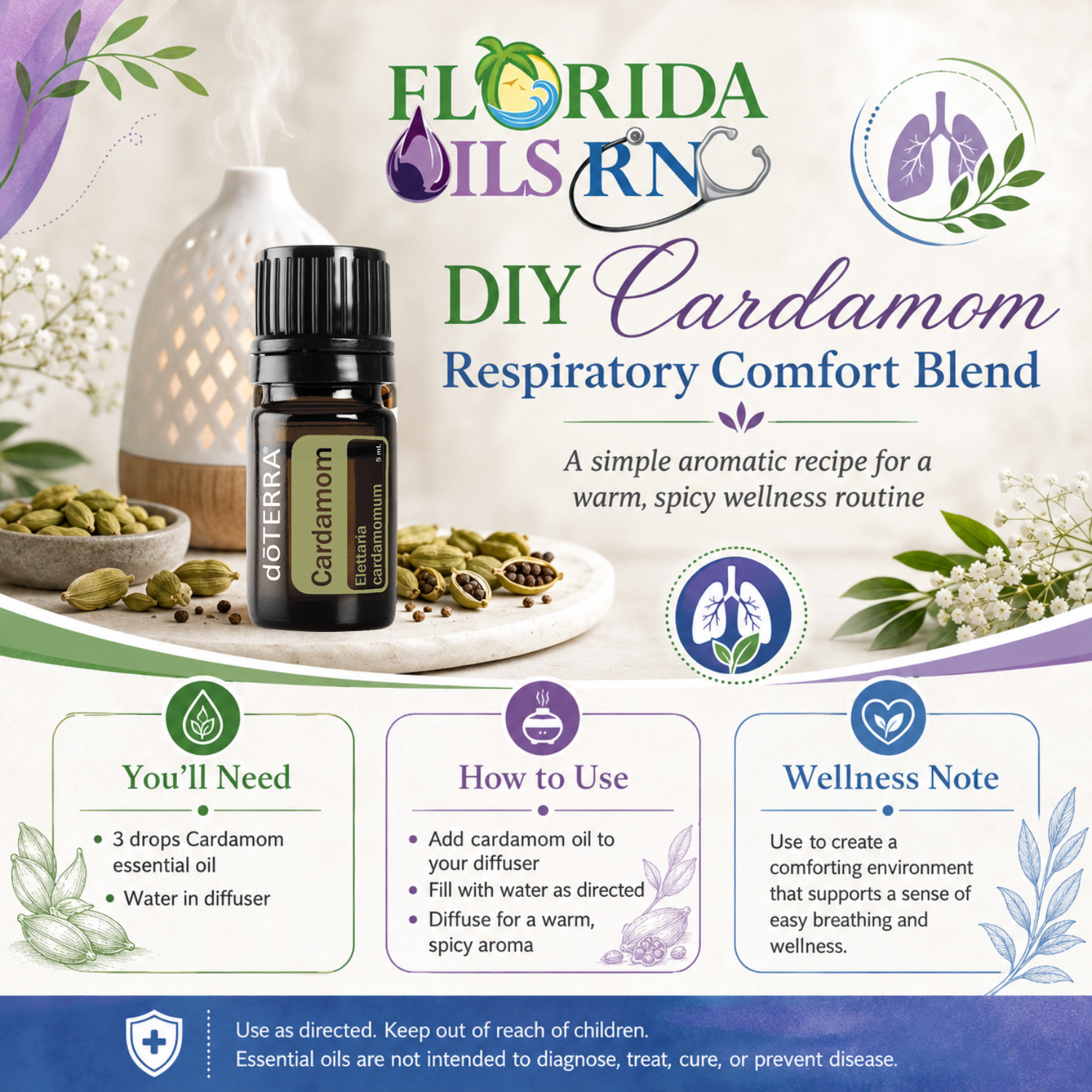
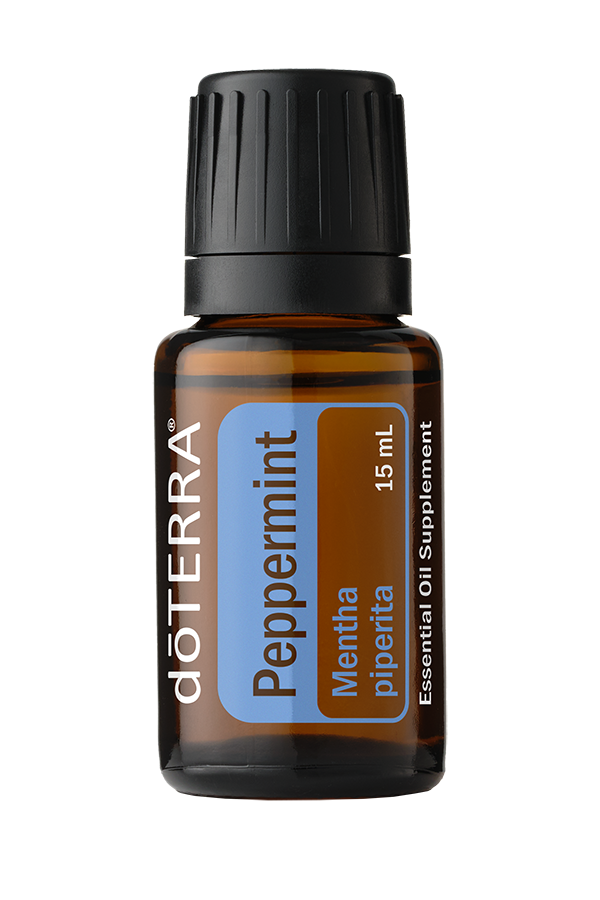
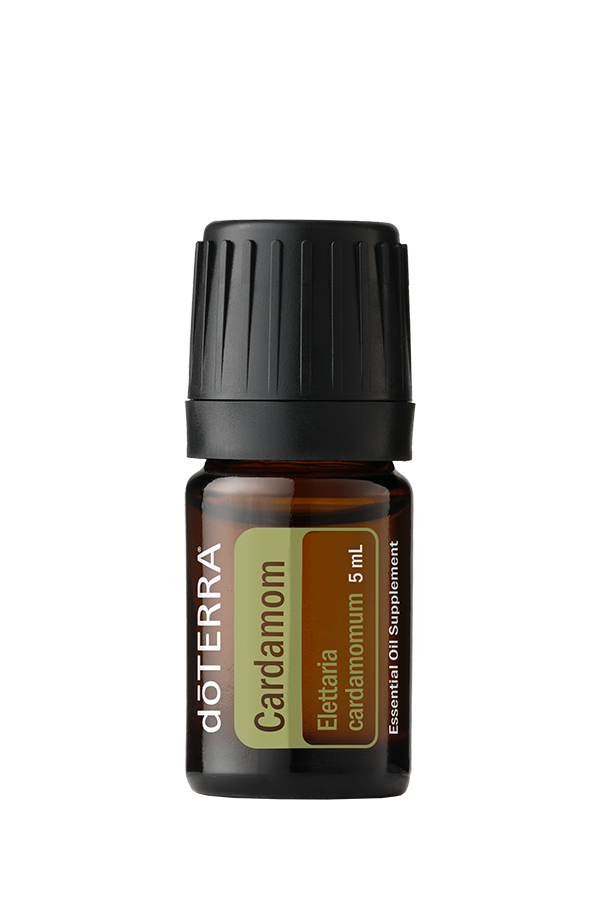
doTERRA Breathe is a proprietary blend containing Laurel Leaf, Peppermint, Eucalyptus, Tea Tree, Lemon, Cardamom, Ravintsara, and Ravensara essential oils. According to doTERRA, it may be used aromatically in a diffuser or applied topically according to the product’s directions.
The blend’s minty, herbal, and citrus aromas may make the surrounding environment feel clean and refreshing. It can be incorporated into breathing exercises, nighttime routines, meditation, or other activities intended to promote relaxation and respiratory comfort.
-
Essential oils may produce a sensation of clearer or cooler breathing, particularly when they contain menthol-rich peppermint or strongly aromatic eucalyptus. However, a sensation of openness is not the same as a measurable widening of the bronchial airways.
Essential oils should not be relied upon to reverse bronchospasm, relieve an asthma attack, treat chronic obstructive pulmonary disease, or manage another condition that restricts airflow. Evidence does not support replacing established asthma treatment with complementary health products. Prescribed inhalers, emergency medications, and medical treatment should be used exactly as directed.
-
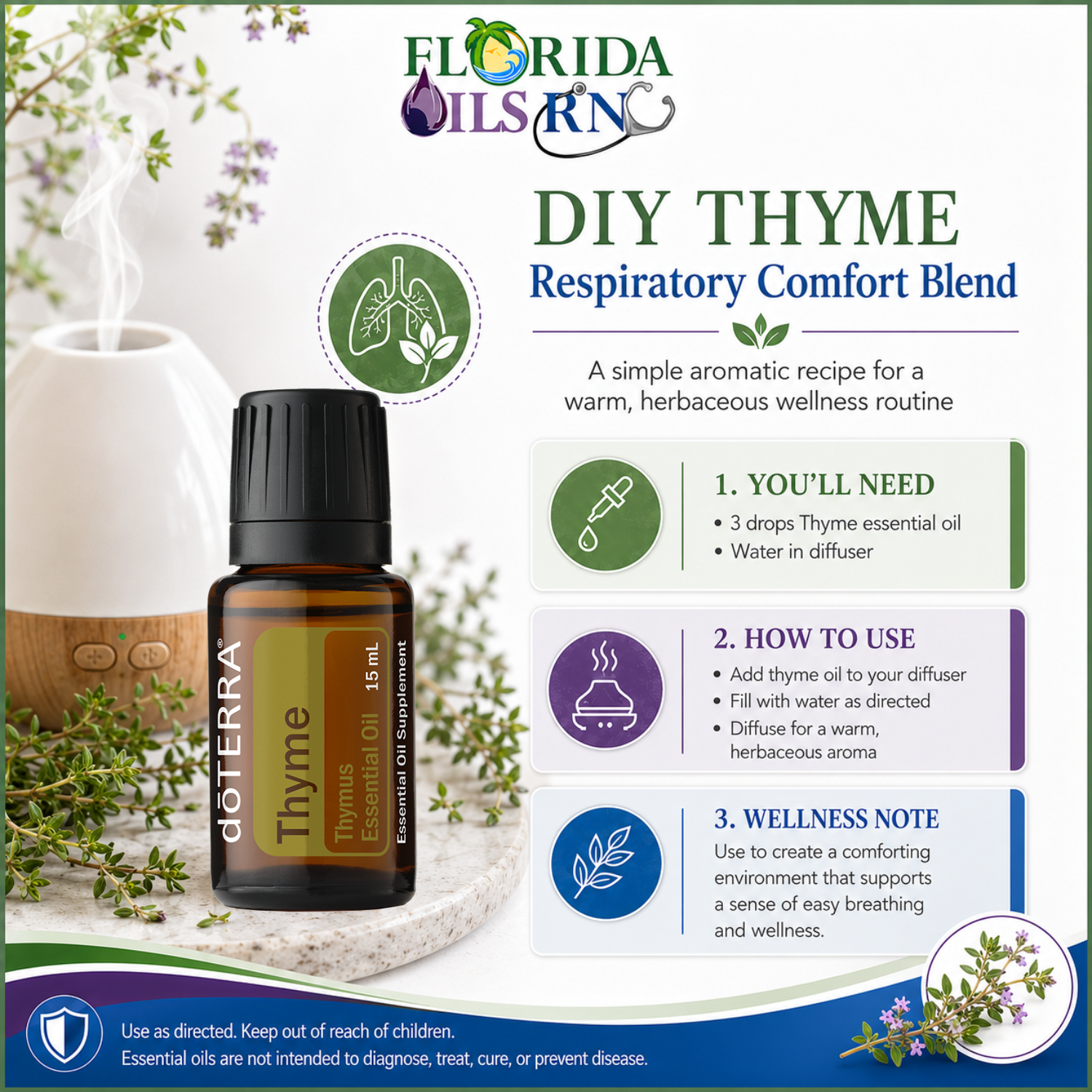
Essential oils should not be described as treatments or cures for colds, influenza, COVID-19, pneumonia, sinus infections, bronchitis, or other respiratory illnesses. Current evidence does not establish eucalyptus essential oil or similar natural products as effective stand-alone treatments or preventive measures for colds.
Aromatic use may make someone feel more comfortable or provide a refreshing atmosphere while recovering, but it does not eliminate the virus or bacterium causing an illness. Rest, hydration, appropriate symptom management, and professional medical guidance remain important.
-
A diffuser may be used to disperse a small amount of essential oil into the air according to the diffuser and product instructions. Begin with a limited amount, use the diffuser in a ventilated room, and consider diffusing intermittently rather than continuously.
An oil may also be inhaled indirectly from a personal inhaler, diffuser jewelry, or a drop placed on a tissue when the product permits aromatic use. Essential oils should not be placed directly inside the nostrils or applied to the mucous membranes. Concentrated steam inhalation should be approached cautiously because it may expose the eyes and airways to high concentrations of volatile compounds.
-
A calming or refreshing aroma may help establish a relaxing bedtime environment. doTERRA recommends diffusing Breathe at night as one possible method of creating a calming sensory experience. Aromatherapy has also been studied for sleep and relaxation, although research findings vary and do not establish essential oils as treatments for sleep disorders or nighttime respiratory disease.
Anyone who experiences loud snoring, repeated gasping, pauses in breathing, persistent nighttime coughing, wheezing, or unexplained daytime sleepiness should seek medical evaluation. These symptoms may indicate sleep apnea, asthma, reflux, allergies, or another condition that aromatherapy cannot diagnose or correct.
-
Some doTERRA products, including Breathe Respiratory Blend and the pre-diluted Breathe Touch formulation, are labeled for topical use. When permitted by the label, an appropriately diluted product may be applied to the chest, upper back, or another approved area to provide a cooling or aromatic sensation.
Essential oils should not be applied to broken or irritated skin, and a patch test is advisable before broader use. Avoid the eyes, nose, mouth, and other sensitive areas. Wash the hands after application so that the oil is not accidentally transferred to the eyes.
-
No essential oil is appropriate for every individual. Peppermint and eucalyptus oils can cause irritation, coughing, headache, skin reactions, or breathing discomfort in some people. Peppermint oil should not be applied to the face of an infant or young child because inhaled menthol can cause serious adverse effects.
Eucalyptus oil must not be swallowed. Concentrated eucalyptus oil can irritate the skin, mouth, digestive system, and eyes, and ingestion can cause severe poisoning.
People with asthma, chronic lung disease, fragrance sensitivity, migraines, allergies, seizure disorders, or other medical concerns should discuss essential-oil use with an appropriate healthcare professional. Discontinue aromatic use immediately if coughing, wheezing, throat irritation, chest tightness, dizziness, or shortness of breath develops.
-
Essential oils should be used cautiously around children. The child’s age, health, sensitivity, product concentration, method of use, ventilation, and the specific oil must all be considered. Diffusers should be placed where children cannot reach them, and oils should be stored securely in their original containers.
Pets may respond differently to airborne and topical essential oils because of differences in metabolism, body size, grooming behavior, and respiratory sensitivity. Pets should be able to leave the room during diffusion, and oils should not be applied directly to an animal unless a veterinarian familiar with that animal has approved the product and method.
-
Essential oils should never delay assessment of serious or persistent respiratory symptoms. Seek urgent medical assistance for severe difficulty breathing, blue or gray lips, chest pain, confusion, fainting, swelling of the face or throat, inability to speak normally because of breathlessness, or symptoms of a severe allergic reaction.
Medical guidance is also appropriate for continuing wheezing, shortness of breath, fever, coughing up blood, worsening asthma symptoms, low oxygen readings, a cough that does not improve, or respiratory symptoms affecting a baby, older adult, pregnant individual, or person with an underlying medical condition.
Aromatic products may support comfort and relaxation, but they cannot replace oxygen, antibiotics when medically indicated, antiviral treatment, prescribed inhalers, emergency epinephrine, or other necessary respiratory care.
These FAQs are provided for general educational purposes. They do not diagnose, prevent, treat, or cure respiratory disease and are not substitutes for advice from a physician, respiratory therapist, pharmacist, pediatrician, veterinarian, or other qualified professional.
Important Safety Guidelines
Always read and follow the current product label. Use only the recommended amount and method. Keep essential oils away from the eyes, inner ears, nose, broken skin, and other sensitive areas. Do not swallow an essential oil unless the exact product is specifically labeled for that use and a qualified professional has determined that it is appropriate.
Respiratory Wellness DIYs