
How Stress Affects the Body—and How Essential Oils Can Support Relaxation
Stress is the body’s natural response to a demand, challenge, or unexpected change. In the short term, this response can be useful. It helps the body become alert, focused, and ready to act. The brain signals the release of stress hormones, breathing becomes faster, the heart works harder, muscles tighten, and energy is redirected toward handling the immediate situation. Once the challenge passes, the body is designed to return to a calmer state.
Problems can develop when stressful situations continue without enough time for recovery. Ongoing stress may keep the body in a heightened state of readiness, making it harder to fully relax. This can contribute to muscle tension, headaches, body discomfort, fatigue, disrupted sleep, digestive symptoms, irritability, difficulty concentrating, and feelings of being overwhelmed. Stress may also affect heart rate and blood pressure, while prolonged stress can place additional strain on several body systems.
The muscular system often provides some of the earliest signs of stress. Muscles may remain partially contracted, particularly in the neck, shoulders, jaw, and back. Over time, this tension can contribute to stiffness, headaches, and general discomfort. Taking regular relaxation breaks, stretching, breathing slowly, and creating calming sensory experiences can help signal that the immediate challenge has passed.
Stress can also influence digestion. The brain and digestive system communicate continuously, so emotional tension may affect appetite, stomach comfort, and normal digestive patterns. Some people eat more when stressed, while others lose interest in food. Stress may also make bloating, nausea, or other digestive discomfort more noticeable.
Sleep is another important part of the stress cycle. A busy mind, muscle tension, or continued alertness can make it difficult to settle down at night. In turn, inadequate sleep can make everyday challenges feel more difficult. A consistent evening routine can help break this cycle by encouraging the body to transition from activity to rest.
Essential oils can become a positive part of that routine. Aromatherapy uses plant-derived essential oils, most commonly through inhalation or properly diluted topical application, to complement health and well-being practices. Scent is closely connected with the brain systems involved in emotion and memory, which helps explain why a familiar aroma can quickly influence the atmosphere of a room or the emotional tone of a routine.
Recommended doTERRA Products


Bergamot has a bright citrus aroma with soft floral notes. It is often used to create an uplifting yet calming atmosphere.

Roman chamomile offers a sweet, herbaceous fragrance that works well in evening and quiet-time blends.
Ylang ylang has a rich floral aroma frequently associated with peacefulness and emotional balance.
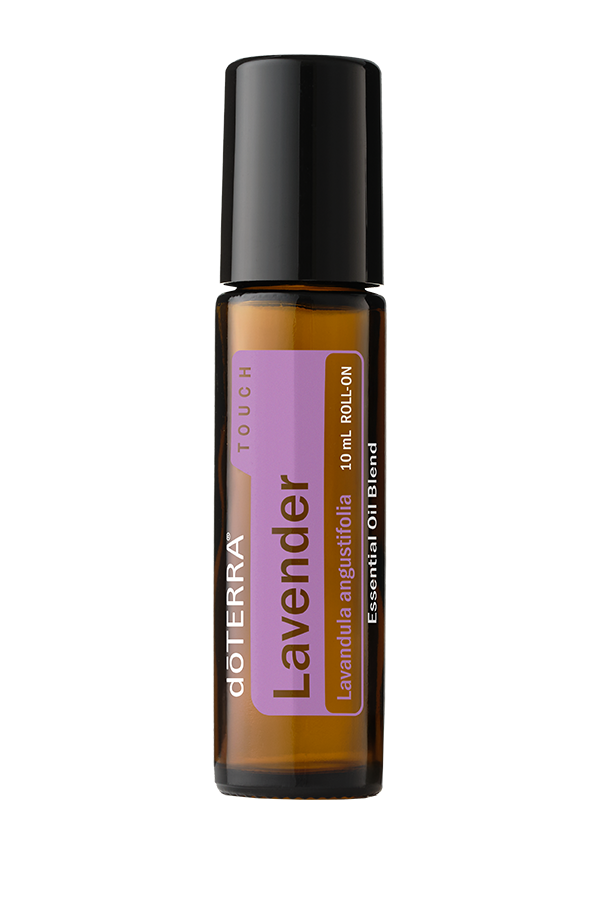
Lavender is one of the most widely studied essential oils for relaxation. Its soft floral aroma is frequently used before sleep
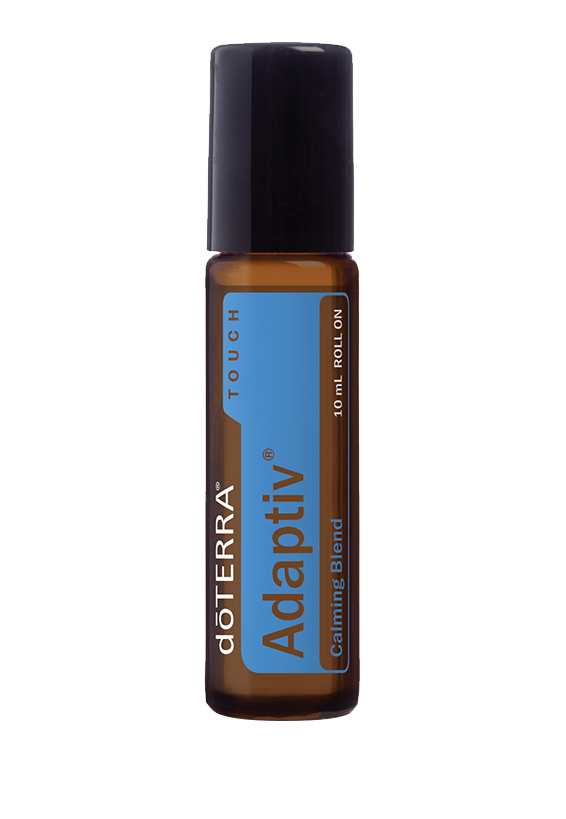
Adaptive Touch - a blend of Neroli, Lavender, Rosemary, Magnolia, Wild Orange, Copaiba, Sweetgum, Spearmint essential oils
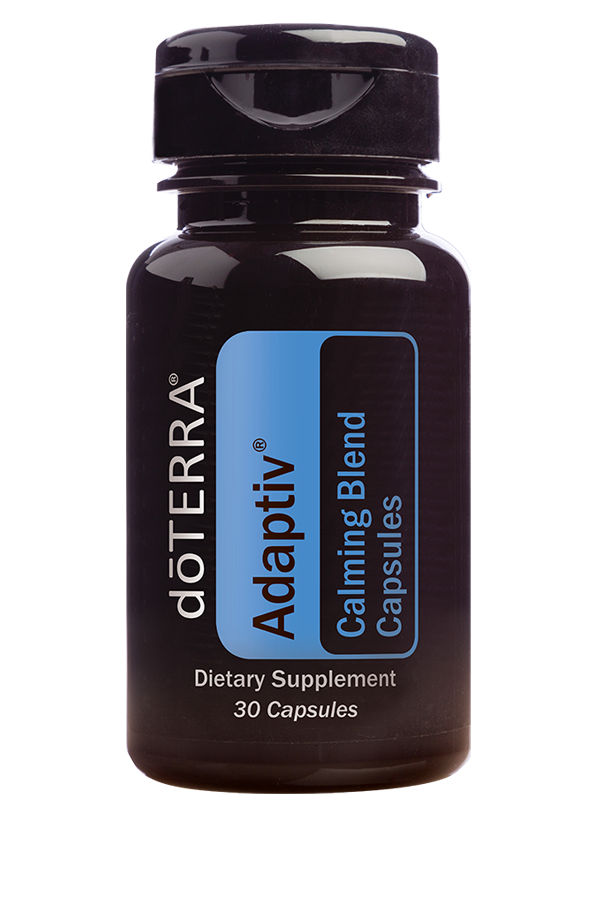
Adaptiv Capsules combine the soothing benefits of CPTG Certified Pure Tested Grade® essential oils with clinically studied botanicals.
Frequently Asked Questions:
Essential Oils and Stress Reduction

Essential oils can complement everyday stress-management habits. See a qualified healthcare professional should you experience persistent stress that interferes with sleep, health, relationships, or daily functioning.
-
Essential oils can help create a sensory environment associated with calmness, comfort, or positive mood. Aromas may become part of routines that encourage slower breathing, mindfulness, massage, rest, or emotional decompression. Aromatherapy research has shown promising results for reducing perceived stress and anxiety in several settings.
-
Lavender is among the most frequently used and studied choices. Its gentle floral aroma makes it suitable for diffusers, personal inhalers, baths, massage blends, and bedtime routines. Studies and reviews suggest that lavender aromatherapy may support relaxation and reduce feelings of anxiety or stress.
-
A simple blend can combine three drops of lavender, two drops of bergamot, and one drop of Roman chamomile. Lavender provides a soft floral foundation, bergamot contributes a lighter citrus note, and chamomile adds warmth. Add the oils to a diffuser according to its water capacity and operating directions.
-
Yes. A personal inhaler or brief diffuser session can help create a transition between demanding tasks. Bergamot, lavender, lemon, and sweet orange are useful choices for maintaining an atmosphere that feels calm without being overly heavy. Aromatherapy has been studied in workplace settings, including among nurses and teachers experiencing job-related stress.
-
Essential oils can help establish a consistent signal that the active part of the day is ending. Diffusing lavender or chamomile before bedtime, adding a diluted blend to a warm bath, or pairing aromatherapy with quiet reading and slow breathing may help create a restful environment. Lavender and chamomile inhalation have been studied for emotional well-being and sleep-related outcomes.
-
Begin with one aroma that feels personally calming. Place a few drops in a diffuser according to the manufacturer’s instructions, then sit comfortably and take several slow breaths. Use the same aroma during a regular five- or ten-minute relaxation period. For topical use, dilute the essential oil in a carrier oil and follow the product label. Aromatherapy is generally used through inhalation or diluted application to the skin.