The Power of Hydration
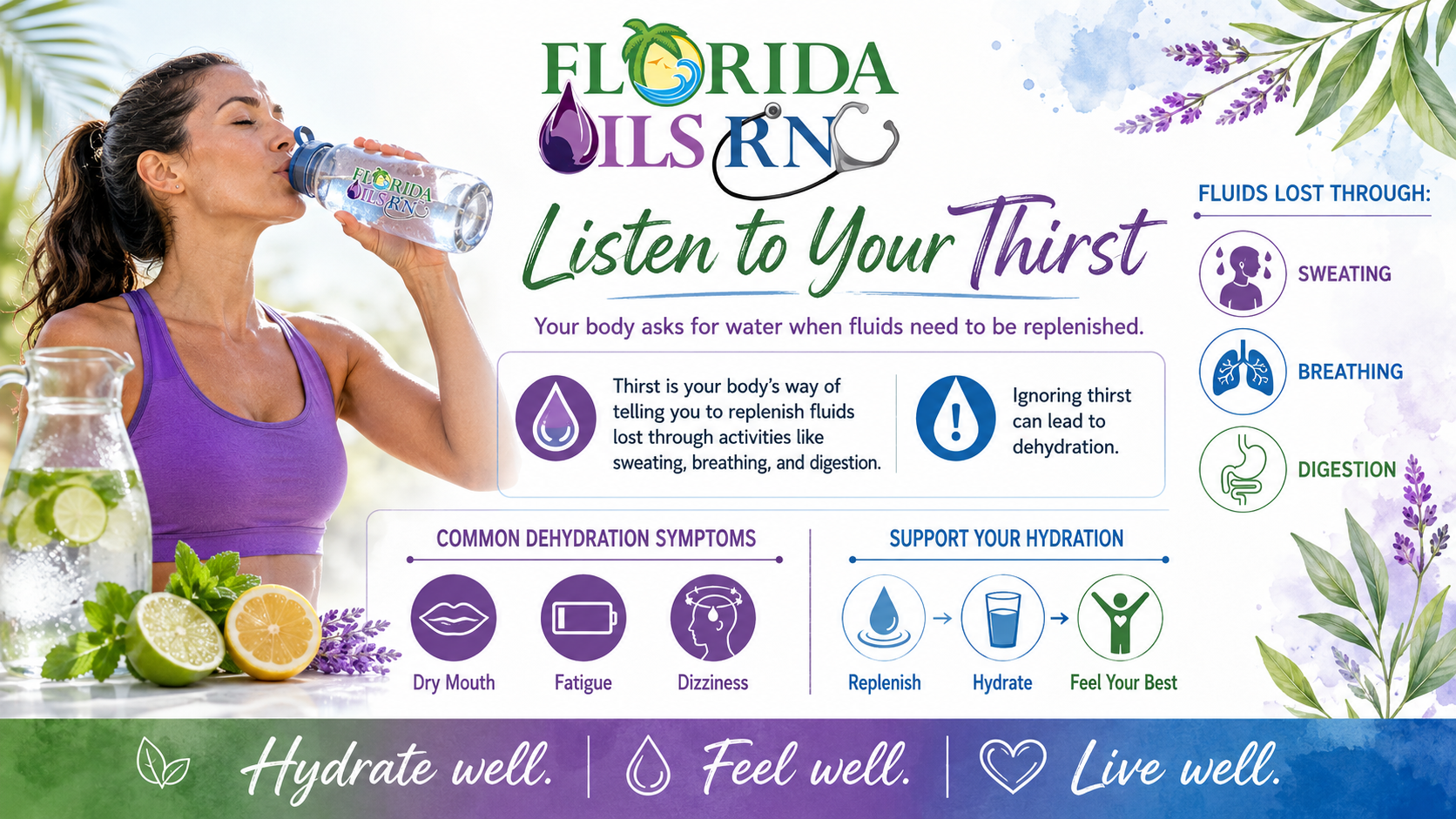

Thirst is a basic human sensation that signals the body's need for hydration. When you feel thirsty, it's your body's way of telling you that you need to replenish the fluids lost through activities like sweating, breathing, and digestion. Ignoring thirst can lead to dehydration, which can cause symptoms like dry mouth, fatigue, and dizziness. It's important to listen to your body's signals and make sure to drink an adequate amount of water throughout the day to stay properly hydrated and maintain good health.
Water Intake Recommendations for Daily Consumption
The amount of water a person needs to drink daily can vary depending on factors such as age, weight, gender, activity level, and overall health. In general, it is commonly recommended that adults drink at least eight 8-ounce glasses of water per day, known as the "8x8" rule, which equates to about 2 liters or half a gallon.
However, some health authorities suggest a different approach, such as the Institute of Medicine's recommendation for men to consume about 3.7 liters (or 13 cups) of total beverages per day and women to consume about 2.7 liters (or 9 cups) of total beverages per day. This includes not only water but also other beverages and foods with high water content.
It is essential to listen to your body's signals for thirst and pay attention to factors like physical activity, climate, and overall health when determining your daily water intake needs. Staying adequately hydrated is crucial for maintaining proper bodily functions and overall health.
Staying Hydrated: Tips for Optimal Hydration
Staying hydrated is crucial for overall health and well-being. Here are some of the best ways to ensure you are properly hydrated:
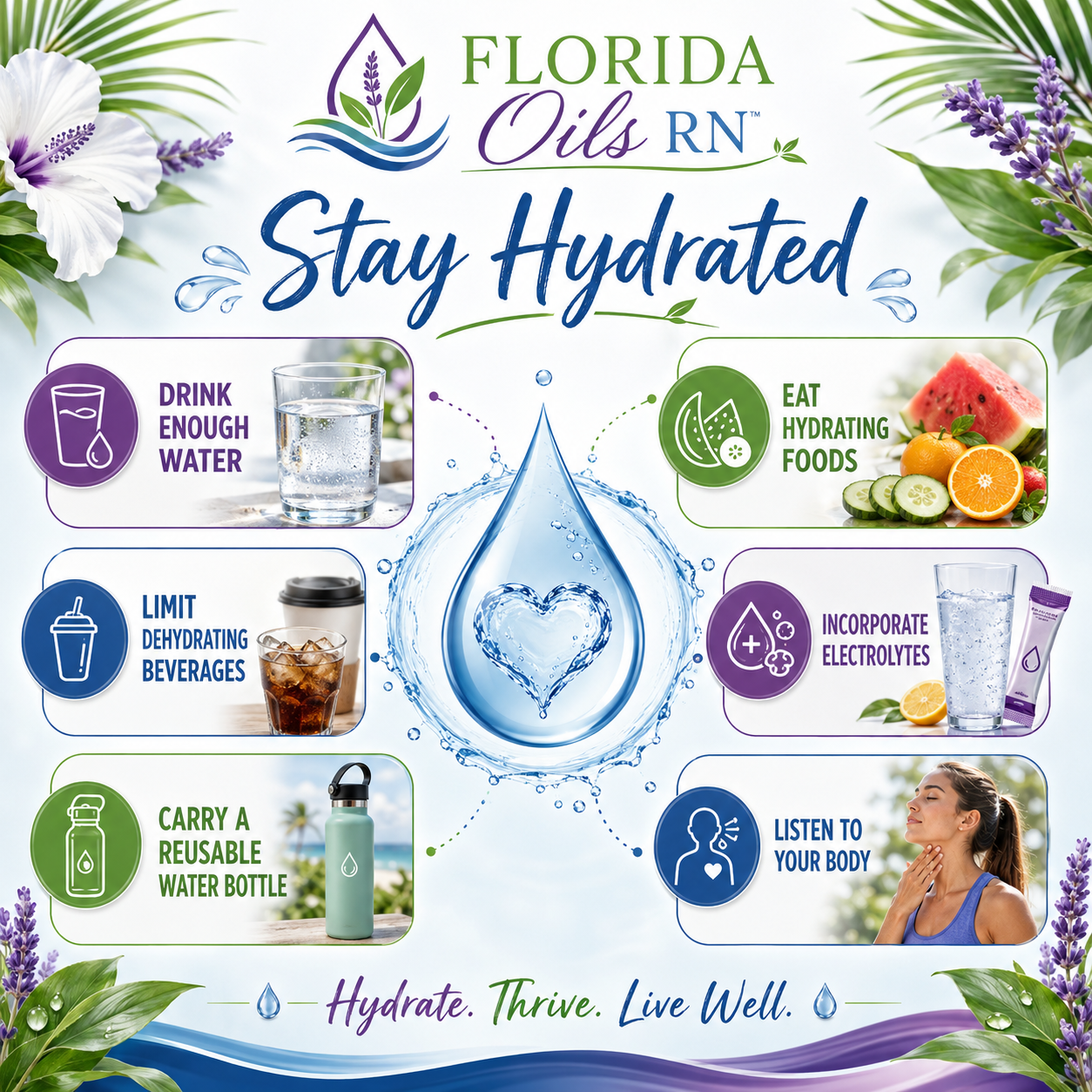
Drink an adequate amount of water: The simplest way to stay hydrated is to drink enough water throughout the day. The general recommendation is to drink at least 8 cups of water a day, but individual needs may vary.
Eat hydrating foods: Include foods with high water content in your diet, such as fruits (e.g., watermelon, oranges) and vegetables (e.g., cucumber, celery). These foods can contribute to your overall fluid intake.
Limit dehydrating beverages: Be mindful of beverages that can dehydrate you, such as those high in caffeine or alcohol. If you consume these beverages, make sure to increase your water intake.
Incorporate electrolytes: Electrolytes play a vital role in hydration. Consider including electrolyte-rich drinks or foods in your diet, especially after intense physical activity or in hot weather.
Carry a reusable water bottle: Having a water bottle with you makes it easier to sip water throughout the day, whether you're at work, running errands, or exercising.
Listen to your body: Pay attention to signs of dehydration, such as dark urine or feeling thirsty. By listening to your body, you can respond promptly by hydrating yourself.
Remember that staying hydrated is key to maintaining good health. By incorporating these tips into your lifestyle, you can support your body's hydration needs effectively.
Watch for these signs of dehydration!
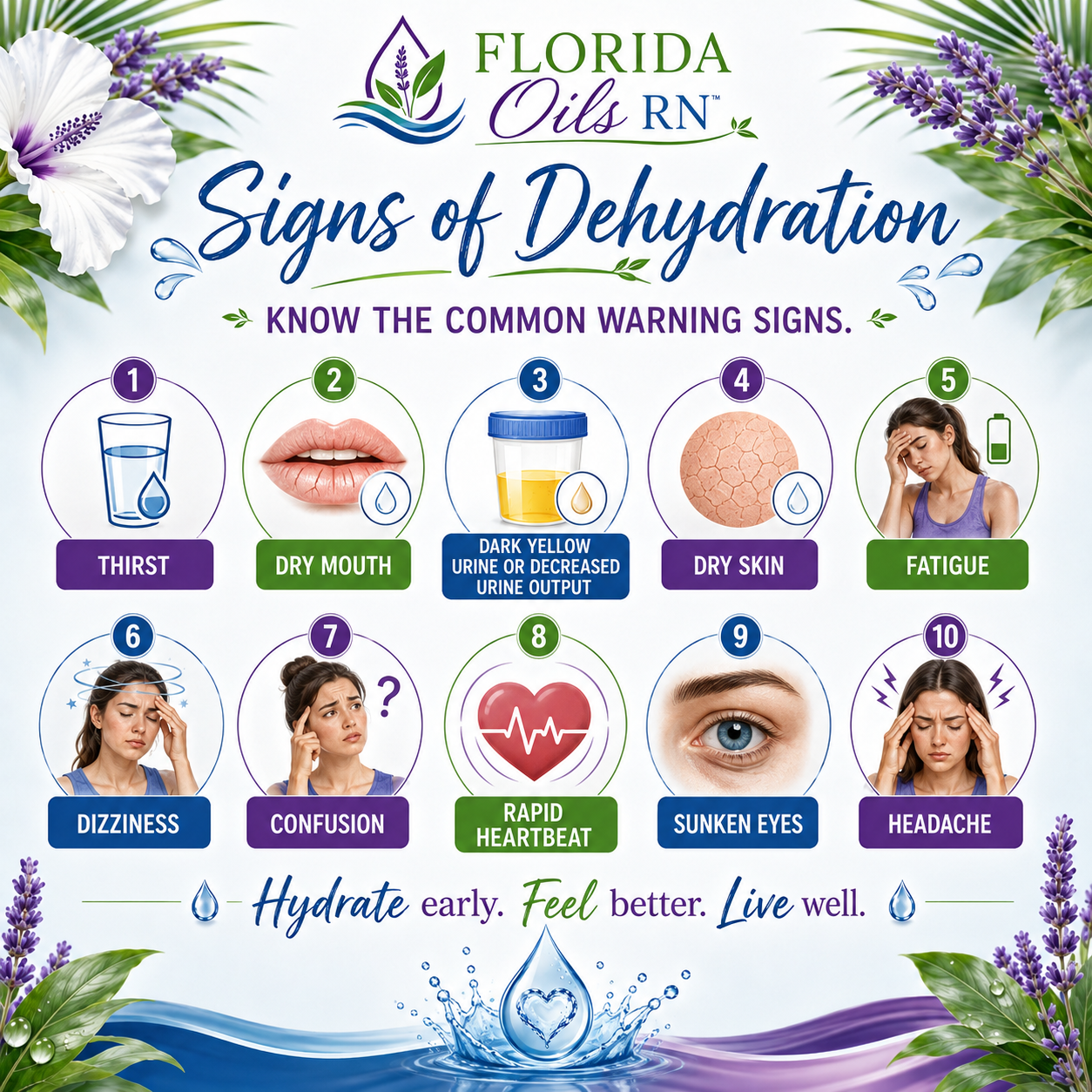
Signs of dehydration may vary depending on how much fluid the body has lost and how quickly that fluid loss occurs. Mild dehydration may begin with thirst, dry mouth, headache, fatigue, or darker-than-usual urine. As dehydration becomes more serious, symptoms may include dizziness, confusion, rapid heartbeat, sunken eyes, very little urination, or urine that is dark yellow. These signs indicate that the body may not have enough fluid to support normal functions such as circulation, temperature regulation, digestion, and muscle activity.
If you notice early signs of dehydration, begin rehydrating promptly by drinking water or another appropriate fluid. Small, steady sips may be easier to tolerate than drinking a large amount at once, especially if you feel nauseated. During hot weather, illness, sweating, vomiting, diarrhea, or intense physical activity, the body may also need electrolytes to help restore fluid balance. Mayo Clinic notes that mild to moderate dehydration in adults can often improve with increased fluids, while electrolyte-containing drinks may be helpful during outdoor activity in hot or humid conditions.
Severe dehydration requires immediate medical attention. Warning signs may include confusion, fainting, inability to keep fluids down, very little or no urination, rapid heartbeat, extreme weakness, or symptoms that worsen despite drinking fluids. Severe dehydration can lead to serious complications and may require medical treatment such as oral rehydration therapy or intravenous fluids.
MetaPwr Recharge Electrolyte Mix Can Help!
Balanced Electrolytes
MetaPWR Recharge includes potassium, sodium, magnesium, calcium, chloride, and phosphate.MetaPWR Recharge provides an exclusive, balanced blend of electrolytes—including potassium, sodium, and magnesium— that’s perfect for everyone, not just high-performance athletes.
Provides balanced ratios of six key electrolytes: potassium, sodium, magnesium, calcium, chloride, and phosphate.
Includes over 75 deep-ocean minerals such as molybdenum, magnesium, vanadium.
Is free from GMOs, gluten, dairy, preservatives, and artificial ingredients.