
Essential Oils and Breathing Comfort: A Nurse’s Personal Perspective

A personal message from Sheila Tucker, RN
Breathing is something we rarely think about until it becomes uncomfortable. A stuffy nose, dry indoor air, seasonal changes, or an unpleasant odor can make us more aware of every breath. During my years as a registered nurse, I learned that breathing difficulty must always be taken seriously. I also learned how much our surroundings can influence whether we feel comfortable, settled, and supported.

As a doTERRA Wellness Advocate, I enjoy using essential oils to create a fresh, soothing aromatic environment. Certain aromas can complement quiet breathing, rest, hydration, and other wellness habits. However, essential oils do not open obstructed airways, correct low oxygen, treat asthma or COPD, cure respiratory infections, or replace prescribed medications.
That distinction is essential. Breathing difficulty can be a medical emergency. Severe or sudden shortness of breath, blue or gray lips, chest pain, confusion, fainting, difficulty speaking, or breathing that has stopped requires immediate emergency assistance. New, unexplained, persistent, or worsening breathing problems also deserve prompt medical evaluation.
Within those important boundaries, essential oils may serve as sensory companions to an appropriate wellness routine.
What Aromatic Support Really Means
When we inhale an essential-oil aroma, receptors in the nose detect its volatile compounds and send sensory information to the brain. A cool mint aroma may make an environment feel more open and refreshing. A crisp eucalyptus scent may seem clean and invigorating. A gentle aromatic ritual may also encourage us to pause, relax our shoulders, and breathe at a comfortable pace.
These sensory experiences are not the same as measurable improvement in lung function. Menthol-containing aromas, for example, can produce a cooling sensation that may create the perception of easier airflow without actually opening narrowed airways. That feeling should never be used to judge the seriousness of respiratory symptoms.
For me, the best use of these oils is intentional and modest. I use them to create a pleasant environment—not to treat the underlying cause of breathing difficulty.
doTERRA Breathe® Respiratory Blend
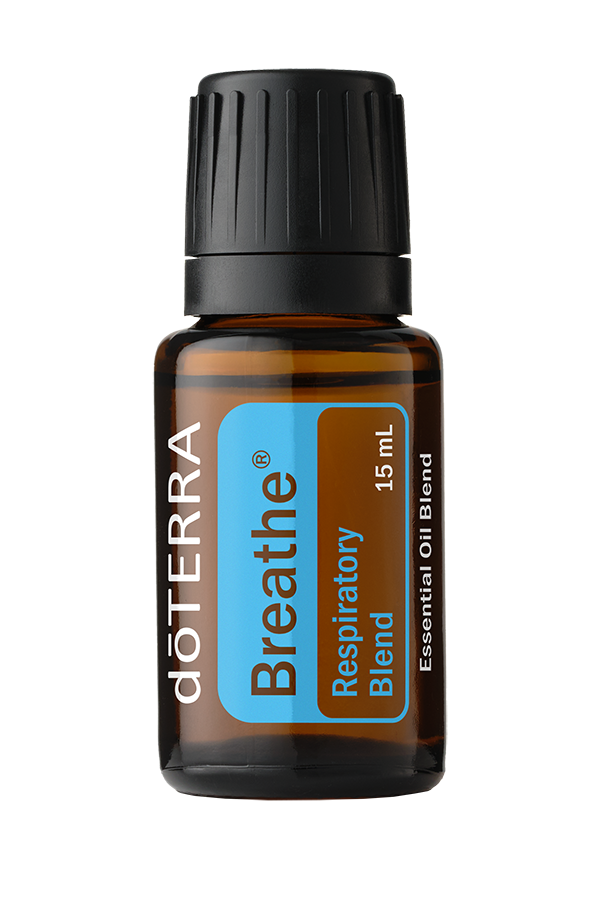
The product I most closely associate with a refreshing aromatic routine is doTERRA Breathe Respiratory Blend. It combines Laurel Leaf, Peppermint, Eucalyptus, Tea Tree, Lemon, Cardamom, Ravintsara, and Ravensara essential oils. Together, they create a fresh, minty, herbaceous aroma.
doTERRA describes Breathe as a blend that promotes feelings of clear airways and easy breathing when used aromatically. A few drops may be placed in a compatible diffuser according to the product label. I especially appreciate the aroma during seasonal transitions or when I want a bedroom or workspace to feel fresh.
I keep the diffuser in a well-ventilated room, begin with a small amount, and avoid continuous diffusion. More aroma is not necessarily more supportive. If anyone in the room begins coughing, wheezing, experiencing irritation, or feeling uncomfortable, I turn it off and provide fresh air.
doTERRA Breathe Touch®
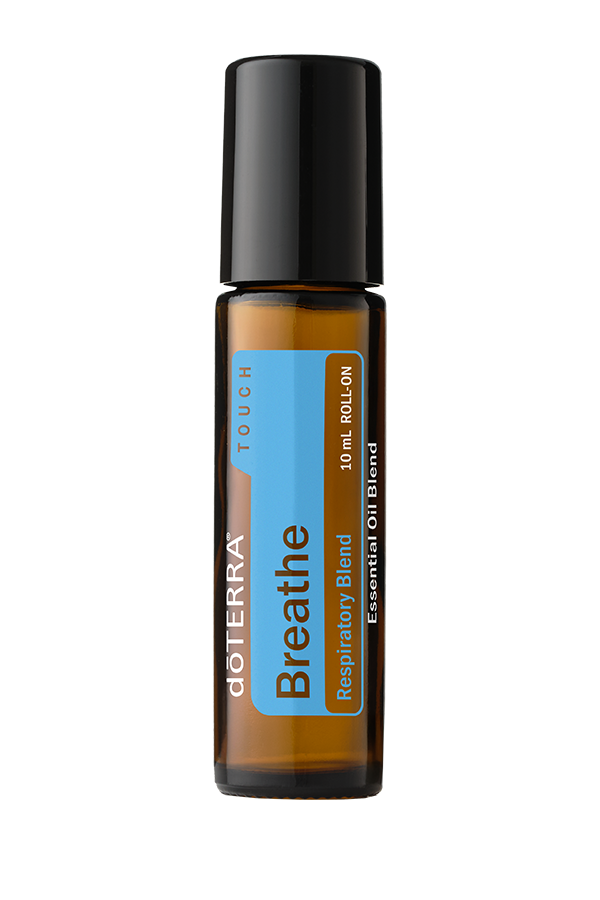
Breathe Touch offers the same general aromatic profile in a base of Fractionated Coconut Oil. Its pre-diluted roller-bottle format makes it convenient for label-directed topical use.
I like the simplicity of a roll-on product because it does not fill an entire shared space with fragrance. It can become part of a personal wellness pause: apply it only as directed, sit comfortably, and notice the aroma without forcing deep inhalations. Avoid the eyes, inside of the nose, and other sensitive areas.
Pre-diluted does not mean appropriate for everyone. Skin sensitivities and fragrance reactions remain possible, so the label precautions still matter.
doTERRA Breathe® Vapor Stick
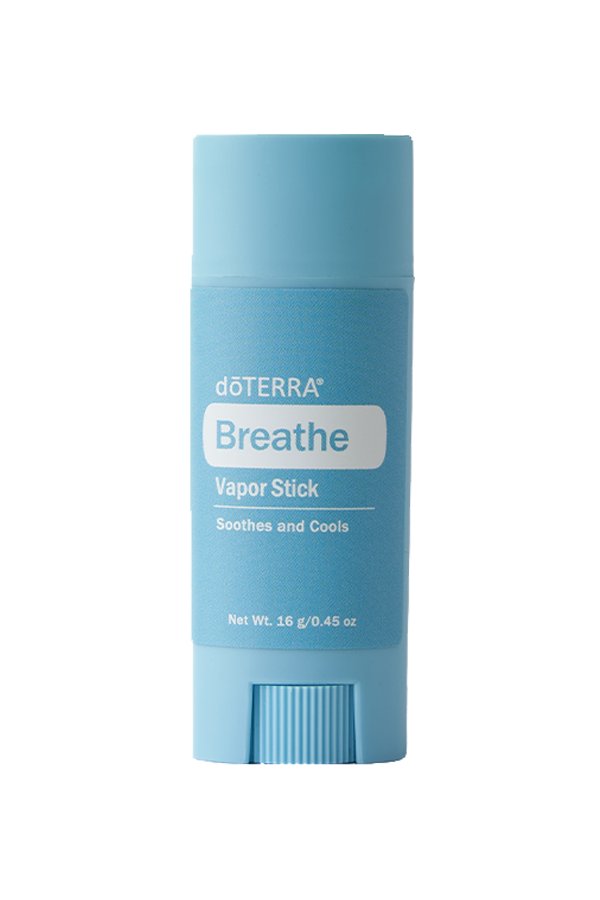
The Breathe Vapor Stick is another portable choice. doTERRA describes it as providing a cooling and soothing aromatic experience through convenient topical application. Its solid format can be useful for travel or situations in which operating a diffuser would be impractical.
I think of it as an aromatic comfort product rather than a rescue product. It should never replace a prescribed rescue inhaler, oxygen, respiratory treatment, or emergency evaluation.
Eucalyptus Essential Oil
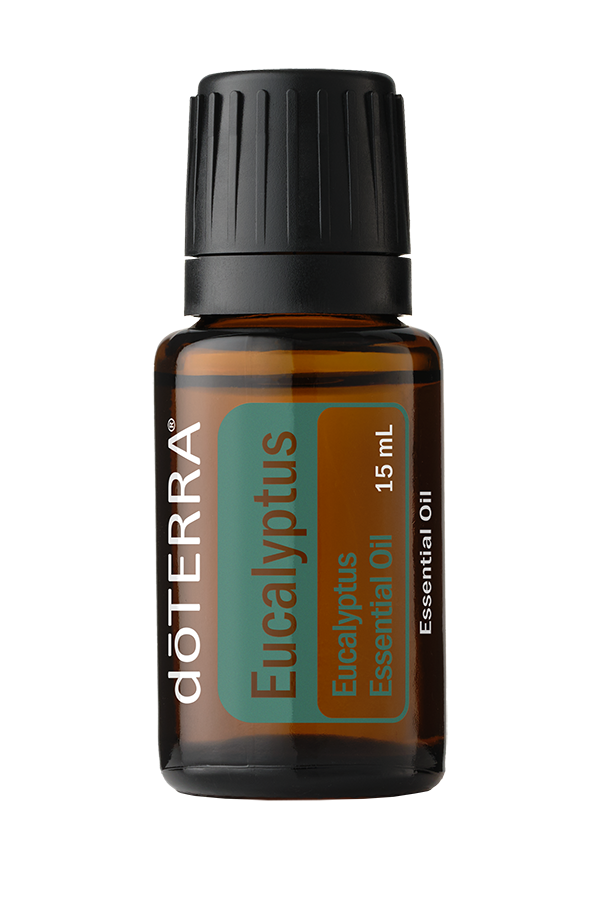
doTERRA Eucalyptus has a crisp, clean aroma that can make a room feel revitalized. According to doTERRA’s directions, three to four drops may be used in a diffuser. For topical use, the oil should be diluted as instructed on the label.
One simple aromatic routine is to diffuse a small amount while sitting quietly, drinking water, or completing another calming activity. Eucalyptus should not be placed directly inside the nostrils or added to a humidifier unless that appliance is specifically designed and approved for essential oils.
Concentrated eucalyptus oil can irritate the nose, throat, and respiratory tract, particularly when it is used improperly or inhaled too intensely.
Peppermint Essential Oil
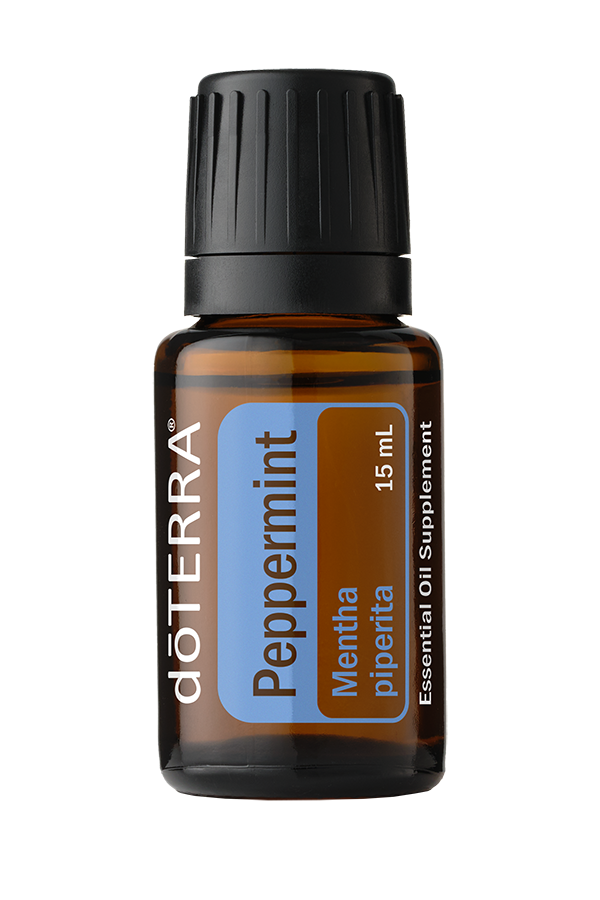
Peppermint is another popular doTERRA oil for creating a fresh-feeling environment. Its strong menthol aroma produces a recognizable cooling sensation. I find that one drop in a diffuser blend can be sufficient; its intensity makes a “less is more” approach especially appropriate.
Peppermint can be combined with Eucalyptus or Lemon for a bright aromatic experience, but it should not be used as evidence that narrowed airways have improved. It should also be kept away from the eyes and used only according to its label.
Lemon and Tea Tree Essential Oils
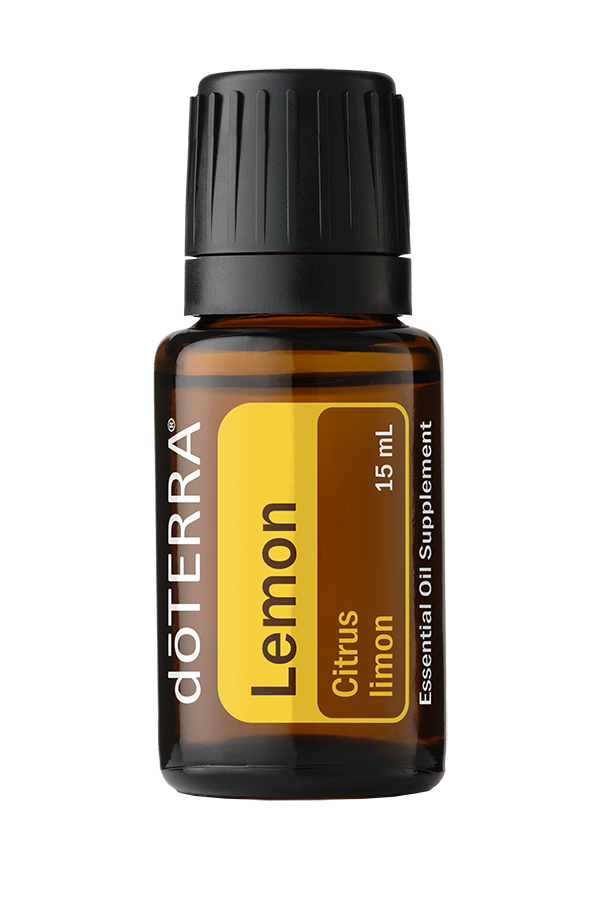
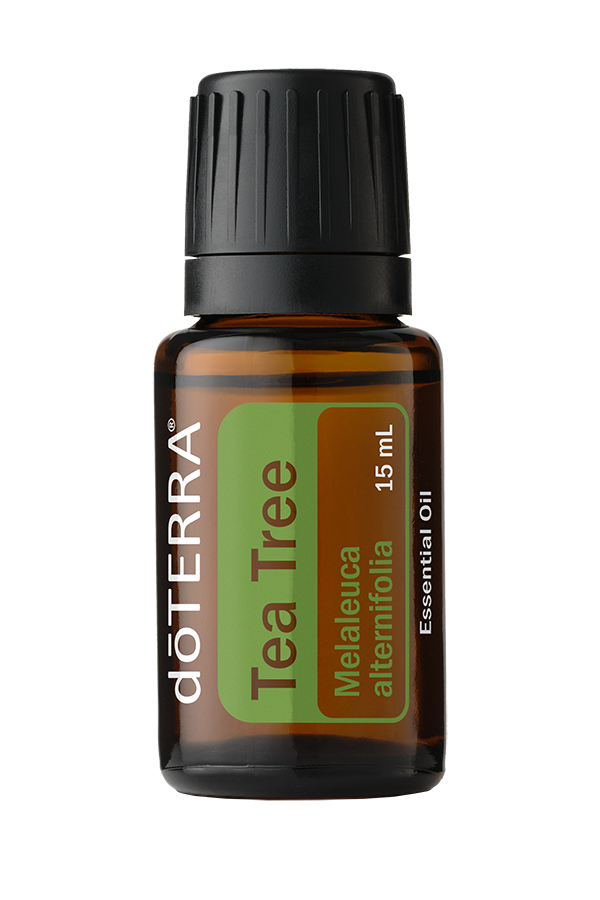
Lemon and Tea Tree are both included in doTERRA Breathe. Individually, they can contribute clean, fresh aromas to a room. Lemon provides a bright citrus note, while Tea Tree has a distinctly herbaceous character.
I would describe these as environmental aroma options—not treatments for congestion, infection, allergies, or breathing disorders. Their role is to make a space smell pleasant while other appropriate wellness habits and professional care address the person’s actual needs.
When Fragrance Is Not Supportive
Essential oils are not helpful for everyone. Fragrances can trigger coughing, wheezing, shortness of breath, or asthma symptoms in sensitive individuals. The Environmental Protection Agency and American Lung Association both recognize that fragrances may cause respiratory reactions in some people.
Anyone with asthma, COPD, significant allergies, scent sensitivity, or another respiratory condition should be especially cautious. An established healthcare plan takes priority. If an aroma causes irritation or worsens breathing, stop using it, move to fresh air, and follow the person’s healthcare or emergency plan.
My Nurse-Led Approach
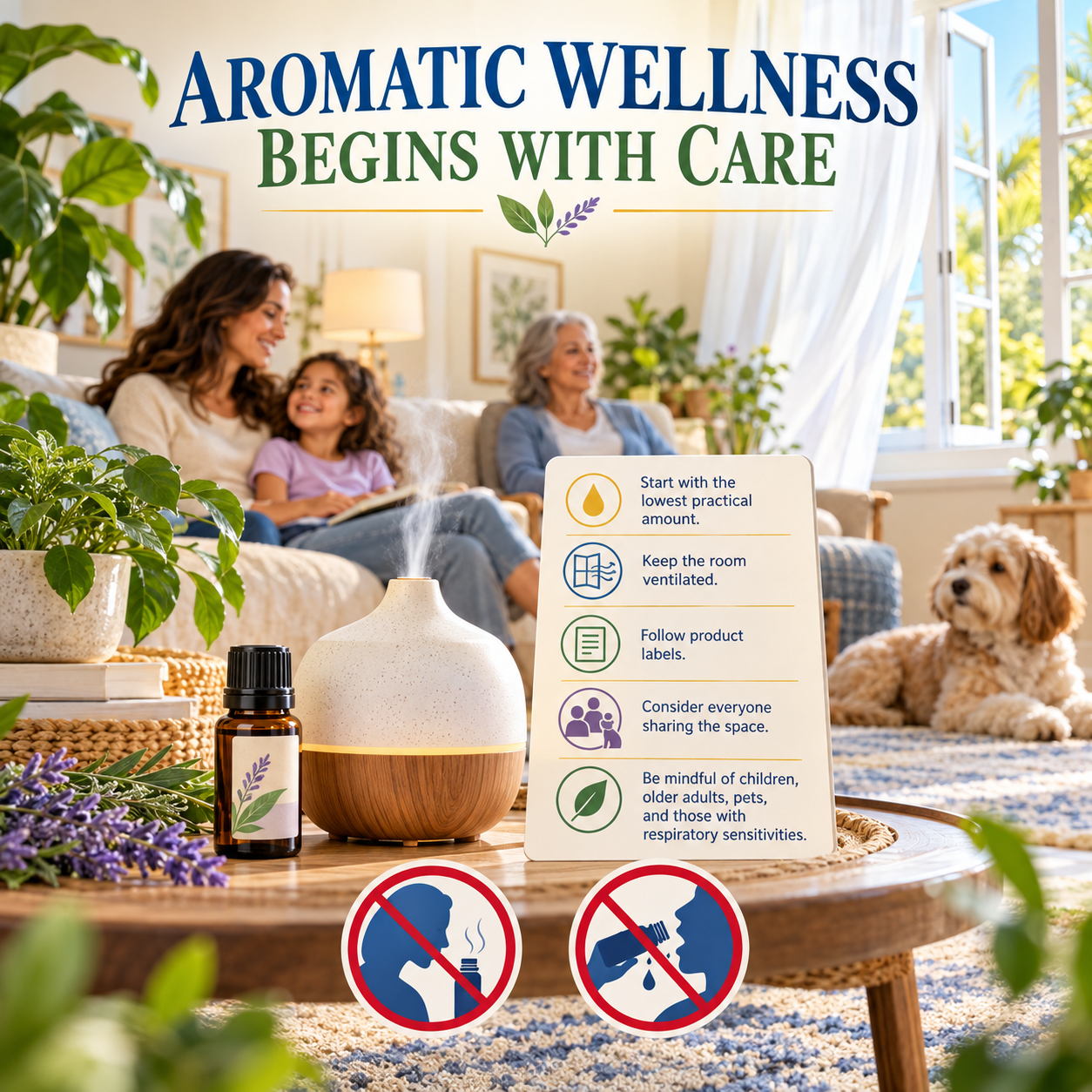
My approach is simple: use essential oils to support the environment, not to manage a respiratory emergency or replace healthcare.
I begin with the lowest practical aromatic amount, maintain ventilation, follow every label, and consider everyone sharing the space—including children, older adults, pets, and people with respiratory sensitivities. I never encourage someone to inhale directly from a bottle when breathing already feels difficult, and I do not recommend ingesting essential oils to address respiratory symptoms.
doTERRA Breathe, Breathe Touch, Breathe Vapor Stick, Eucalyptus, Peppermint, Lemon, and Tea Tree can all play thoughtful roles in aromatic wellness routines. Their aromas may help a space feel fresh, cooling, comforting, or restorative. Their greatest value is as part of a broader routine that respects the body, recognizes warning signs, and keeps appropriate medical care at the center.
All my best,
Sheila Tucker, RN
Registered Nurse and doTERRA Wellness Advocate
This article is for general educational purposes only. It does not diagnose, treat, cure, or prevent any condition and is not a substitute for individualized medical advice, diagnosis, prescribed treatment, or emergency care.