
A note from Sheila Tucker, RN
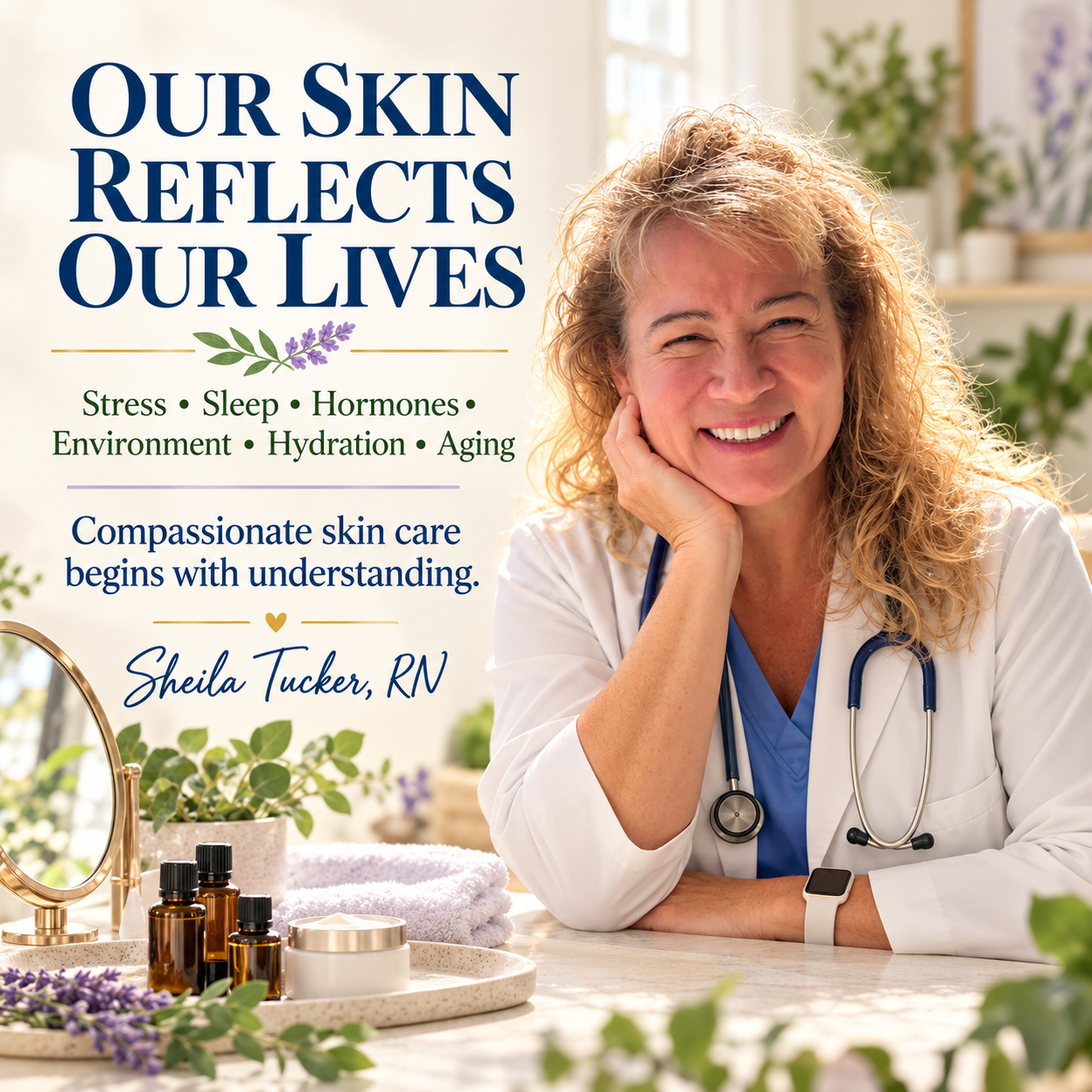
During my years as a nurse, I have learned that the skin often reflects the many demands placed on our bodies and our lives. Stress, interrupted sleep, changing hormones, environmental exposure, dehydration, and the natural aging process can all influence how our skin looks and feels. I have also seen how concerns about the skin can affect confidence. A small area of dryness, uneven-looking tone, or a noticeable blemish may seem minor to someone else while feeling very personal to the individual experiencing it.
That perspective encourages me to approach skincare with compassion rather than promises of perfection. Healthy skin does not mean flawless skin. It means supporting the skin’s protective barrier, treating it gently, noticing changes, and choosing products thoughtfully.
Essential oils can add a botanical and sensory dimension to a well-designed skincare routine. Certain doTERRA oils are promoted for helping the skin appear smoother, clearer, calmer, or more radiant. However, essential oils are concentrated substances—not instant solutions—and they do not replace sunscreen, cleansing, moisturizing, nutritious food, adequate hydration, sleep, or professional evaluation of a persistent skin concern.
My goal is to help people explore these products realistically, safely, and confidently.
What Do “Skin Tone” and “Skin Health” Mean?
Skin tone describes more than the natural color of the skin. In cosmetic care, people often use the term to describe how even, bright, and rested their complexion appears. Uneven-looking tone may be associated with dryness, sun exposure, blemishes, irritation, or normal age-related changes.
Skin health begins with the skin barrier. This outer protective layer helps retain moisture while limiting exposure to irritants and microorganisms. When the barrier becomes dry or irritated, the skin may look dull, rough, flaky, or uneven. That is why the foundation of any skincare routine should remain simple:
Cleanse gently without excessive scrubbing.
Moisturize according to your skin type.
Protect exposed skin from the sun.
Avoid products that repeatedly cause burning, itching, or redness.
Give a routine time to work before continually changing products.
Essential oils fit best as carefully diluted additions to this foundation. They should not be expected to correct every change in pigmentation, texture, or skin condition.
Frankincense for a Nourishing Skincare Ritual

doTERRA Frankincense is one of the first essential oils I consider when discussing a mature or dry-looking complexion. doTERRA describes it as a nourishing and clarifying addition to a daily skincare routine that can help maintain healthy skin when applied topically.
Its warm, resinous aroma also makes an ordinary routine feel more intentional. A person might add a properly diluted amount to an unscented facial moisturizer or apply it in accordance with the product label. I particularly appreciate routines that encourage someone to slow down, gently massage in a moisturizer, and pay attention to how the skin responds.
Frankincense should not be described as reversing aging or medically repairing skin. Its appropriate role is supporting a nourished, healthy-looking appearance as part of consistent cosmetic care.
Helichrysum for a Revitalized Appearance
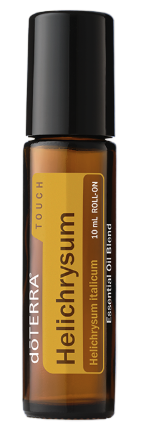
Helichrysum is sometimes called the “immortal” or “everlasting” flower. doTERRA frequently features Helichrysum in beauty products because of its rejuvenating skincare properties. Its official product information describes topical use as supporting a healthy-looking complexion and helping reduce the appearance of blemishes.
For someone who wants a convenient product that is already diluted, doTERRA Helichrysum Touch combines the essential oil with Fractionated Coconut Oil. A pre-diluted roller can make targeted application easier, although people should still follow the label and avoid sensitive areas.
The word “rejuvenating” refers to cosmetic appearance. It does not mean the oil regenerates damaged tissue or treats a medical disorder. I would describe Helichrysum as an option for helping skin look refreshed and well cared for.
Tea Tree for Blemish-Prone Skin
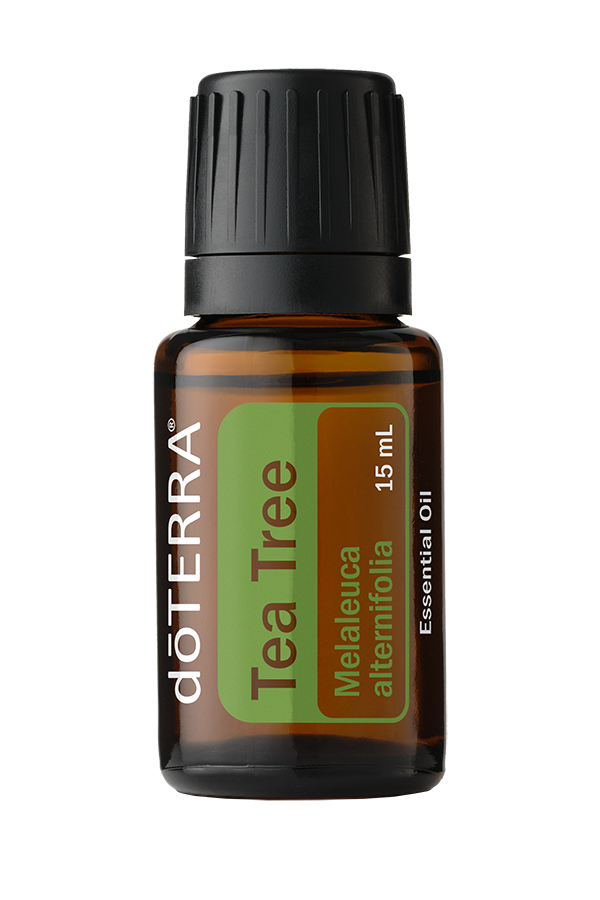
Tea Tree is among the most researched essential oils used in skincare. A 2024 review found that Tea Tree was the most frequently studied essential oil among the clinical research it examined on inflammatory skin concerns. The reviewers also emphasized that study quality varies and that more well-designed research is needed.
doTERRA Tea Tree is commonly used for occasional skin irritations and blemish-prone areas. Tea Tree Touch combines Tea Tree essential oil with Fractionated Coconut Oil, making it convenient for limited, targeted application.
I would not cover the entire face with undiluted Tea Tree oil. More is not necessarily better. Excessive application can dry or irritate the skin, creating the opposite of the calm, balanced appearance someone wants. A small, diluted amount used as directed is a more cautious approach.
Rose for a Soft, Radiant Complexion
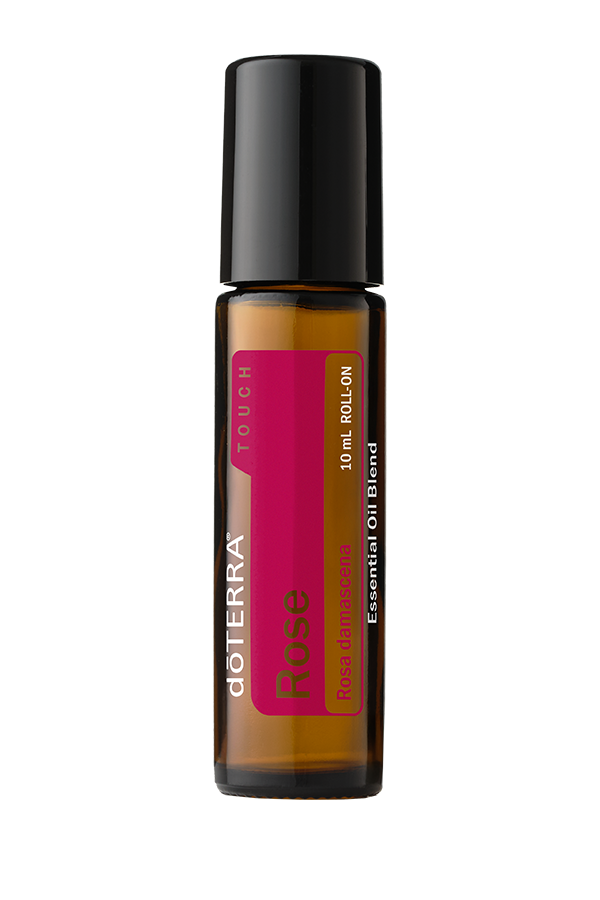
Rose has a long history in beauty rituals. doTERRA Rose Touch combines Rose essential oil with Fractionated Coconut Oil and is promoted for helping reduce the appearance of skin imperfections. The carrier oil allows the product to spread easily and provides a convenient pre-diluted format.
Rose Touch can be applied according to its label to areas of concern. Its rich floral aroma also gives a skincare routine a peaceful, luxurious quality. That sensory experience matters. When a routine is pleasant and uncomplicated, a person may be more likely to practice it consistently.
doTERRA also offers Rose Hydrosol Mist, which is designed for use on clean skin in morning and evening routines. Because a hydrosol is different from concentrated essential oil, it can provide a gentler way to enjoy the rose botanical experience.
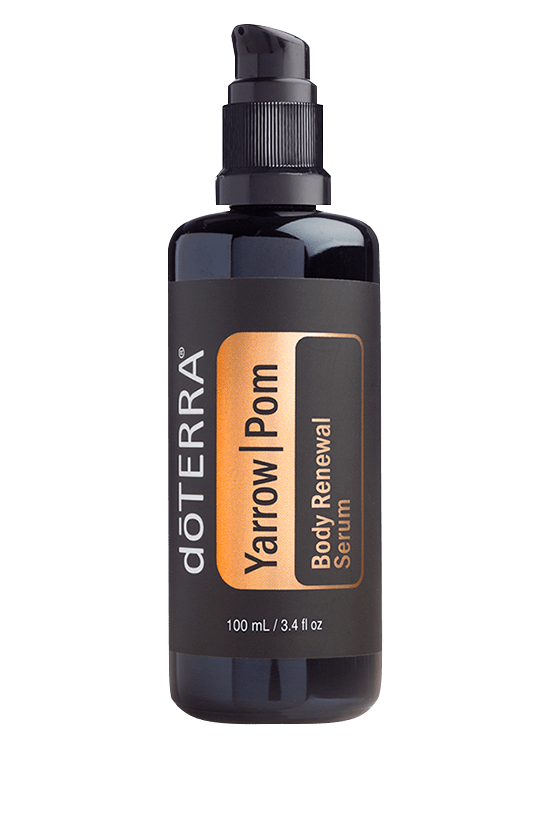
Yarrow|Pom for a Healthy-Looking Glow
doTERRA Yarrow|Pom combines Yarrow essential oil with cold-pressed pomegranate seed oil. For topical use, doTERRA describes it as soothing and revitalizing to the skin and as helping reduce the appearance of blemishes.
Pomegranate seed oil supplies fatty acids that give the formula its distinctive emollient quality. Applied according to the label, it may be incorporated into a moisturizer or used sparingly as part of an evening routine.
Sheila’s Nursing Perspective: Building a Skin-Care Routine That Protects and Nourishes
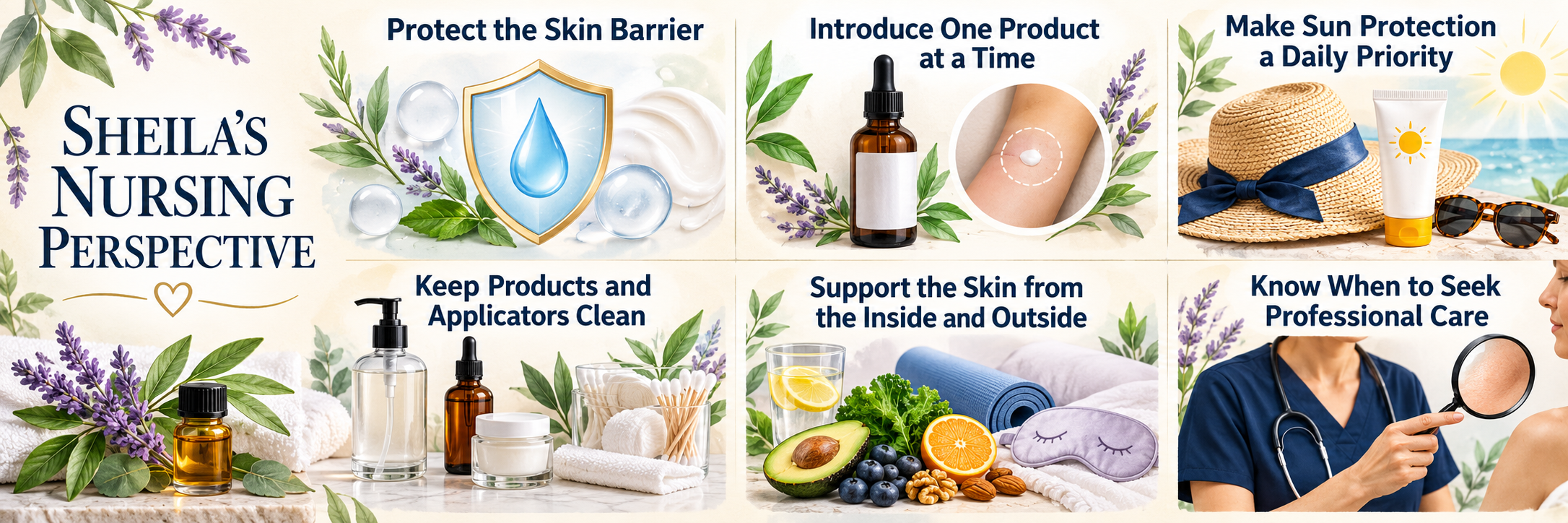
As a nurse, I believe effective skin care begins with observation. Before adding another product, take a moment to notice what your skin is communicating. Does it feel tight after cleansing? Is it oily in some areas but dry in others? Does a particular product cause stinging, itching, redness, or flaking? These details can help you build a routine around what your skin needs instead of following every new skincare trend.
Protect the Skin Barrier
The skin barrier is the outermost protective layer of the skin. It helps retain moisture and protects the body from environmental irritants. Frequent scrubbing, harsh cleansers, very hot water, over-exfoliation, and concentrated essential oils can disrupt this barrier.
Choose a gentle cleanser that removes makeup, sunscreen, perspiration, and daily debris without leaving the skin feeling stripped. Wash with lukewarm rather than hot water, and pat the skin dry with a clean towel. Avoid vigorous rubbing, particularly if the skin is already dry or sensitive.
Apply moisturizer while the skin is still slightly damp. This helps retain water and can improve the appearance of dryness and rough texture. When incorporating essential oils, add only the recommended diluted amount to a compatible moisturizer or carrier oil. A larger quantity does not produce faster or better results and may increase the likelihood of irritation.
Introduce One Product at a Time
When several new products are started together, it becomes difficult to determine which one is helping—or which one is causing a reaction. I recommend introducing one product at a time and observing the skin for several days before adding something else.
Perform a patch test before applying a new essential-oil product over a larger area. Place a small, properly diluted amount on an inconspicuous area of intact skin. Watch for redness, itching, swelling, burning, or blistering. Remember that some reactions may not appear immediately.
Even if you have used an oil safely before, sensitivity can develop over time. Stop using any product that repeatedly causes discomfort. Skincare should not require enduring pain or significant irritation.
Make Sun Protection a Daily Priority
If the goal is a more even-looking complexion, daily sun protection is essential. Ultraviolet exposure can contribute to uneven pigmentation, visible lines, changes in texture, and premature skin aging. Use a broad-spectrum sunscreen with an SPF appropriate for your needs and reapply it according to the label, particularly when spending time outdoors, swimming, or perspiring.
Hats, protective clothing, shade, and avoiding the strongest midday sunlight provide additional protection. Certain citrus essential oils may cause photosensitivity when applied topically. Always review the product warning and follow the specified period for avoiding sunlight or ultraviolet exposure.
Essential oils cannot replace sunscreen.
Keep Products and Applicators Clean
Clean hands before applying facial products. Avoid placing fingers directly into jars when a clean pump, spatula, or applicator is available. Wash reusable skincare tools regularly, and do not share personal rollers, cosmetics, washcloths, or facial devices.
Essential oils should be stored with their caps secured, away from excessive heat, direct sunlight, and places accessible to children or pets. Discard products that have developed an unusual odor, color, texture, or consistency.
Pillowcases, face towels, makeup brushes, and anything else that routinely touches the face should also be cleaned regularly. These straightforward habits can support a cleaner skincare environment without requiring an elaborate routine.
Support the Skin from the Inside and Outside
Skin appearance is influenced by more than topical products. Adequate hydration, balanced nutrition, movement, sleep, stress management, and protection from tobacco smoke all contribute to general wellness. No single oil, serum, or moisturizer can compensate for every lifestyle factor.
Rest is especially easy to overlook. When we are tired or overwhelmed, even basic self-care can feel burdensome. A simple evening ritual—gentle cleansing, moisturizing, and perhaps the aroma of a carefully chosen doTERRA product—can become a reminder to slow down and prepare for rest.
Know When to Seek Professional Care
Essential oils are cosmetic wellness tools, not substitutes for medical assessment. Contact a qualified healthcare professional about a mole that changes in size, shape, border, or color; a sore that does not heal; a persistent or spreading rash; unexplained bruising; significant swelling; blistering; signs of infection; or any skin change that concerns you.
Skin care should be consistent, gentle, and realistic. Begin with the basics, introduce products carefully, and pay attention to how your skin responds. A healthy-looking complexion is not created through aggressive treatment. It is supported over time through protection, hydration, thoughtful product choices, and respect for the skin’s natural protective role.
This information is educational and is not a substitute for medical evaluation, diagnosis, or treatment.