By Sheila Tucker, RN
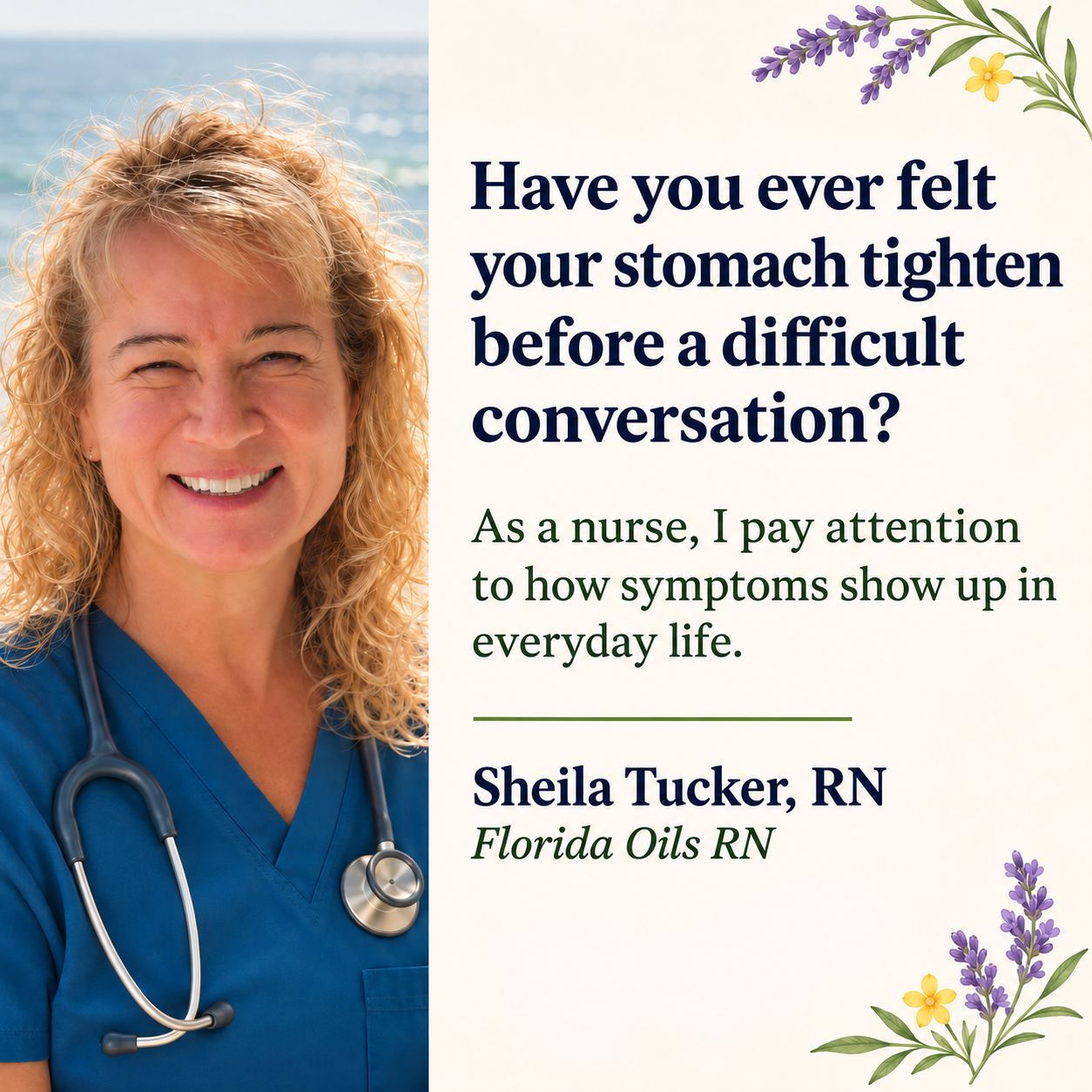
Have you ever felt your stomach tighten before a difficult conversation? Maybe you’ve lost your appetite after upsetting news, or found it hard to concentrate when your stomach has been bothering you all day. As a nurse, I pay attention to how symptoms show up in everyday life. When someone tells me their stomach always acts up before a big meeting, I want to know when it starts, what it feels like, and what helps it settle. Those details can tell us something about how closely digestion and the nervous system work together.
One study that caught my attention came from researchers at Stanford and the Arc Institute. They found that restoring certain signals between the gut and brain helped older mice perform better on memory tasks. What does this have to do with humans and memory issues we might have as we get older? In this article I’ll share what they discovered about the vagus nerve, where gut bacteria fit into the story, and what researchers are still trying to understand about memory and aging in people.
We’ll also bring the conversation back to everyday decisions, from choosing foods with live cultures to reading a probiotic label. Read on as I take a closer look at doTERRA’s PB Assist+ and PB Restore, explain how the formulas differ and highlight the benefits of each of these beneficial products.
With care,
Sheila Tucker, RN
What happens when your gut and brain talk?
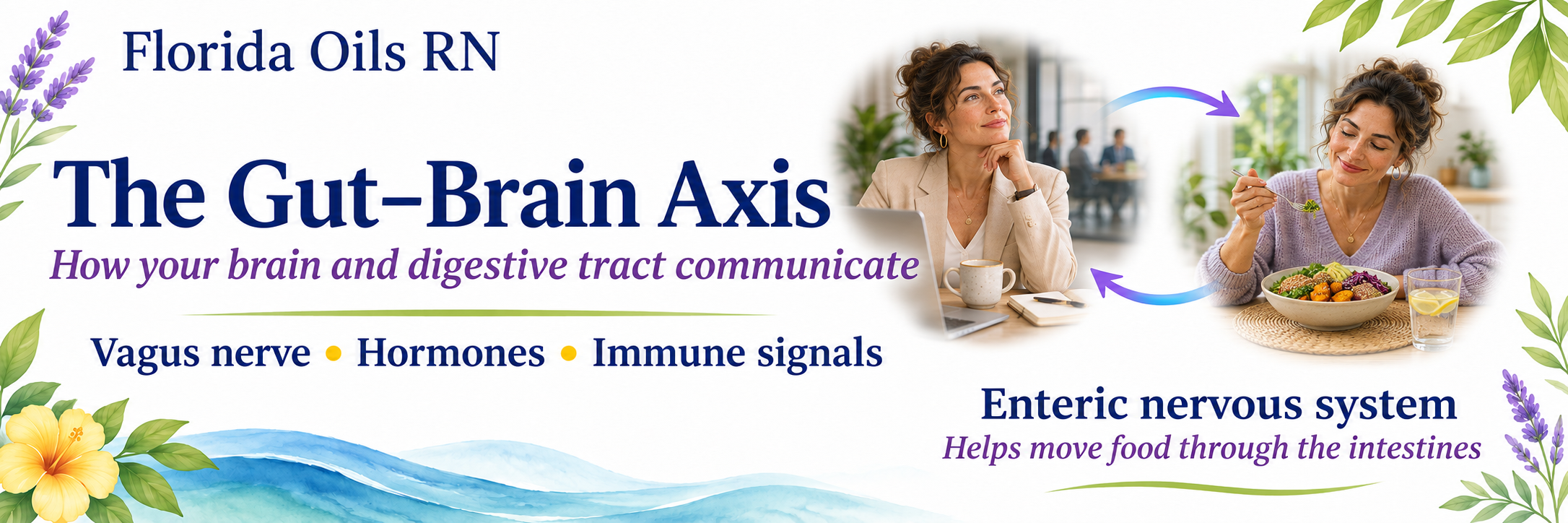
Your digestive tract has its own network of nerves, called the enteric nervous system, that helps coordinate tasks such as moving food through your intestines. It communicates with the brain through several pathways, including the vagus nerve, which carries signals between the brainstem and organs such as the stomach and intestines. Hormones and immune signals are also involved. Together, these pathways are often called the gut–brain axis.

You can see the two-way nature of this connection at mealtime. The sight or smell of dinner can get your digestive system ready before you take a bite. As you eat, signals from the digestive tract help your brain register that you’ve had enough. Stress can affect how the gut moves and how strongly you feel sensations like cramping or fullness. If your stomach acts up before a presentation, that physical experience is real, even when anticipation helped set it in motion.
Then there’s the gut microbiome, the community of microorganisms living in your digestive tract. Some gut bacteria break down types of fiber that your own digestive enzymes cannot fully digest. In the process, they produce compounds such as short-chain fatty acids, which can influence the gut lining and immune signaling. Researchers are studying how microbial activity, immune responses, and nerve signals interact. The challenge is figuring out which changes matter for a particular person and which are simply happening alongside a change in health.
What a Stanford study found about memory and aging
In March 2026, Stanford Medicine reported on a Nature study that asked an unexpected question: Could changes in the aging gut affect how the brain forms memories? In older mice, changes in gut bacteria and the compounds they produced were linked to an immune response that weakened signaling through the vagus nerve. The researchers also observed weaker responses in the hippocampus, a brain region involved in forming memories. When they experimentally restored aspects of gut–brain signaling, older mice improved on memory tasks, including recognizing unfamiliar objects.
What caught my attention was where the researchers looked for an explanation. They traced a change in memory performance back through the nervous system to activity in the gut. That gives scientists a specific pathway to investigate as they ask whether similar processes occur in people. The experiments were conducted in mice using targeted research interventions. Whether changing this pathway can improve memory in older adults remains an open and fascinating question.
Where probiotics fit into the picture
Probiotics are live microorganisms that provide a health benefit when consumed in adequate amounts. You’ll find them in some foods and dietary supplements. The term prebiotic refers to a substance that certain microorganisms use in a way that benefits health. Some prebiotics are fibers, including fructooligosaccharides, which you’ll often see abbreviated as FOS on a label. These terms come up together because a supplement can contain both live microorganisms and a substrate those microbes or other microbes in the gut can use.
As a nurse, I’m interested in what happens when people make changes to the foods they eat every day. In a small 2021 study, Hannah Wastyk and her colleagues randomly assigned healthy adults to eat more fiber-rich foods or more fermented foods, such as yogurt and kefir. The people who ate more fermented foods developed a greater variety of gut microbes, and several markers of inflammation in their blood went down. In the higher-fiber group, the overall variety of gut microbes stayed about the same, but the researchers found more evidence of enzymes that help those microbes break down complex carbohydrates. I think of it this way. One group saw a change in the variety of microbes living in the gut, while the other saw a change in what those microbes were equipped to do.
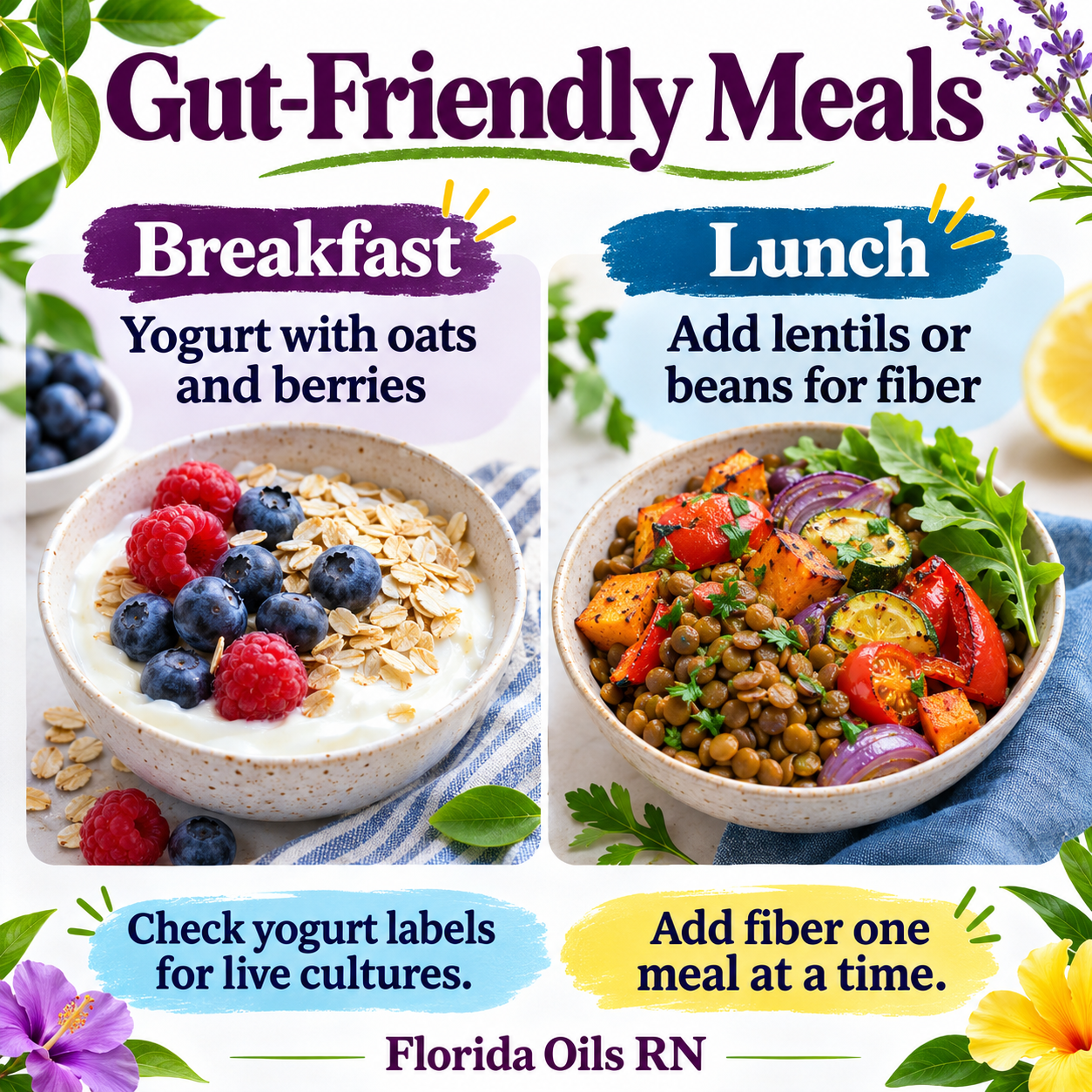
What might that look like at breakfast? If you enjoy yogurt and tolerate dairy, you could choose one labeled with live cultures and add oats and berries. At lunch, lentils or beans can add fiber to a meal you already like. Some fermented foods contain live cultures, while processing can remove or kill them. If live cultures are what you’re looking for, check the label. And if a sudden increase in fiber tends to leave you uncomfortable, try changing one meal at a time so you can see how it feels.
A closer look at two doTERRA probiotic products
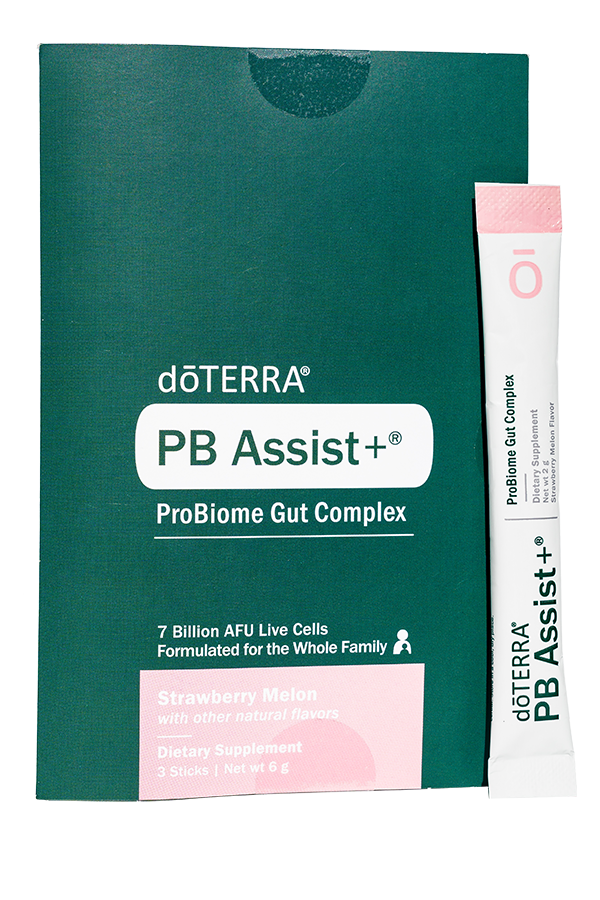
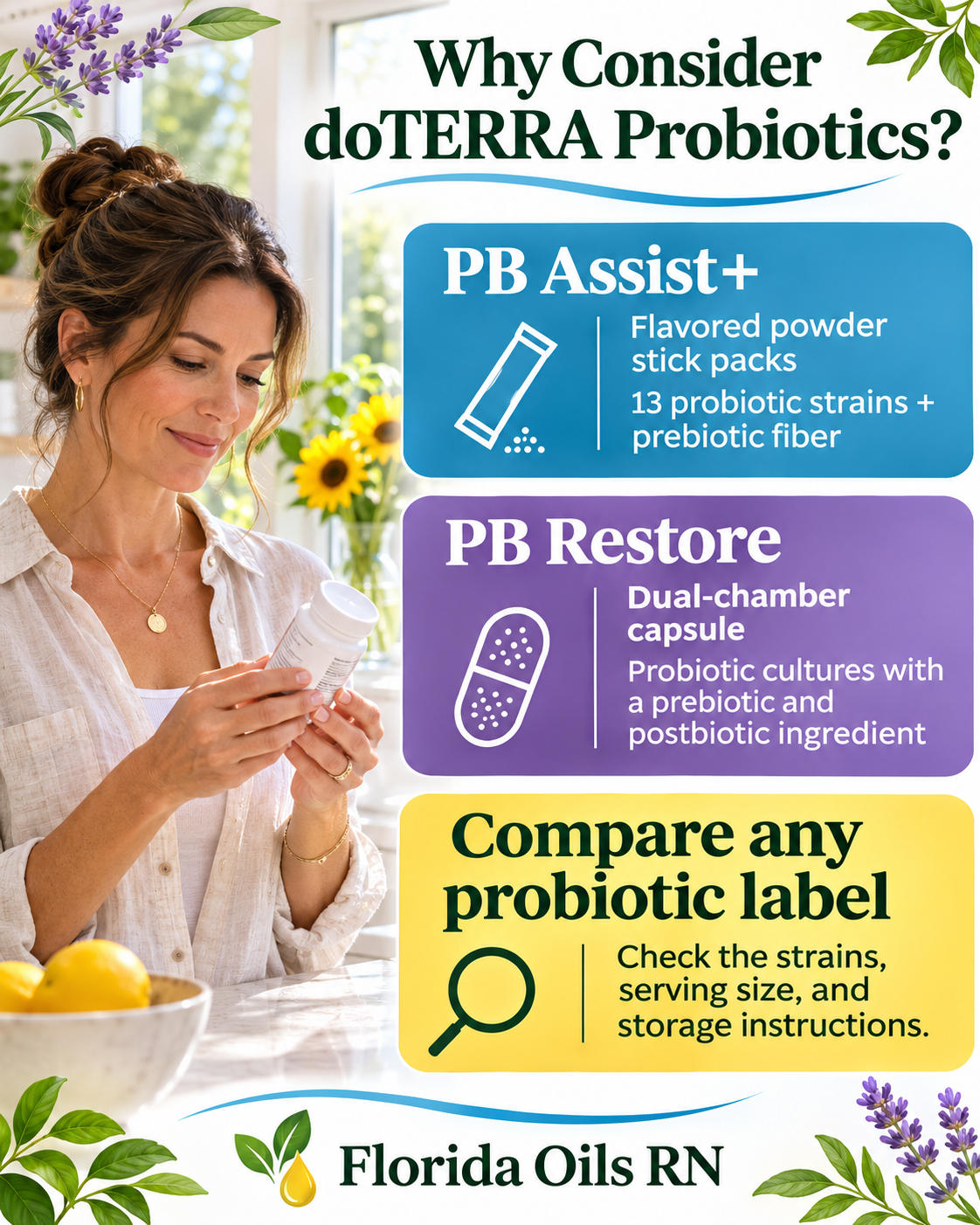
doTERRA PB Assist+® ProBiome Gut Complex is a strawberry-melon powder in individual stick packs. The U.S. product information lists 13 probiotic strains, the prebiotic fiber FOS, and 7 billion active fluorescent units (AFUs) per serving. AFUs estimate viable cells using a fluorescence-based method. If you recognize the PB Assist name from an older capsule bottle or the former PB Assist Jr. powder, check the specific package you’re buying. The name has been used across formulations, and the ingredient lists and amounts can differ. doTERRA Essential Oils
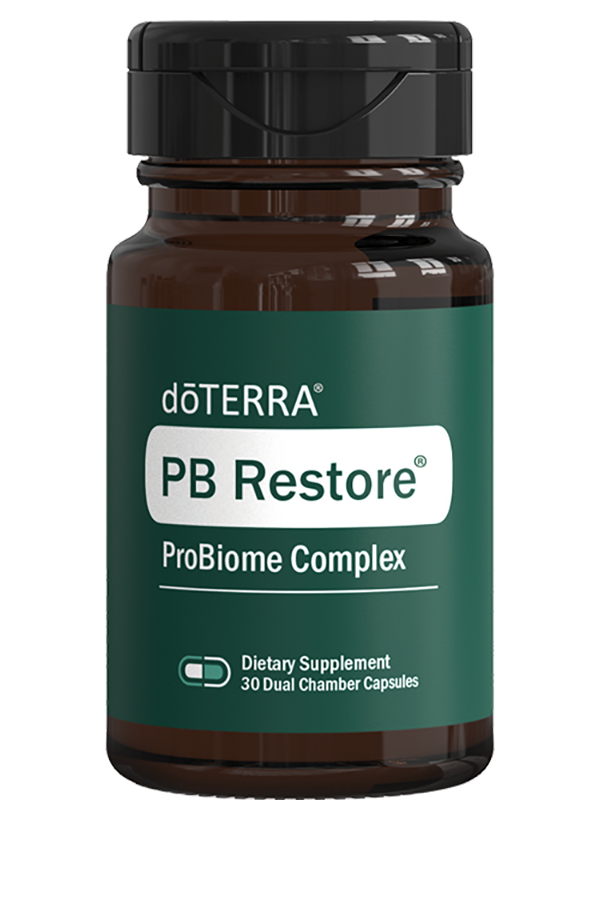
doTERRA PB Restore® ProBiome Complex comes in a dual-chamber capsule. The manufacturer lists 18 billion colony-forming units (CFUs) per capsule from 24 active cultures, along with a prebiotic, a postbiotic ingredient, and bacteriophages. CFUs measure microorganisms capable of forming colonies under test conditions. Since CFUs and AFUs use different counting methods, the two products’ numbers don’t give you a direct comparison. If you’re weighing the options, look at the ingredients, the format you prefer, and the storage instructions. The U.S. product sheet for PB Restore specifies refrigeration after opening. doTERRA Essential Oils
These product details come from doTERRA. The Stanford mouse study and the human trials discussed above did not test either formula, so they cannot tell us whether PB Assist+ or PB Restore affects memory, mood, or cognitive aging. If you’re considering a probiotic because of a specific symptom, the question I’d bring to a healthcare visit is, “Has this strain or formula been studied for what I’m experiencing?” Probiotics can cause temporary gas or other digestive symptoms, and people who are severely ill or immunocompromised should seek medical guidance before using them. nature.com
Advice from Sheila ~ Start with what you notice
If you’re curious about your own gut–brain connection, think back to a recent day when your digestion felt comfortable and another when it didn’t. Did you eat at your usual time? Were you rushing? Had you slept well? A few notes about meals, sleep, stress, and symptoms can help you spot patterns over time and give you something concrete to discuss if symptoms persist.
A pattern is a starting point for a conversation, especially when several things changed on the same day.
I keep coming back to those familiar butterflies before a big moment. They’re an everyday reminder that digestion and the nervous system are already in conversation. The research makes that relationship more interesting, and it also helps us ask better questions about products that promise to support it.
Whether you’re trying a food with live cultures or comparing two supplement labels, start by getting clear about what you want to learn or what you hope will change. If unsure, ask a health professional for help.
Resources
Research and independent guidance
Cox, T., et al. (2026). Intestinal interoceptive dysfunction drives age-associated cognitive decline. Nature. Original study
Conger, K. (2026, March 11). Enhancing gut-brain communication reversed cognitive decline, improved memory formation in aging mice. Stanford Medicine. Article
Tillisch, K., et al. (2013). Consumption of fermented milk product with probiotic modulates brain activity. Gastroenterology. Original study
Wastyk, H. C., et al. (2021). Gut-microbiota-targeted diets modulate human immune status. Cell. Original study
National Institutes of Health, Office of Dietary Supplements. Probiotics: Fact sheet for health professionals. Fact sheet
doTERRA U.S. product information