
A Heartfelt Message from Sheila
When someone is living with Lyme disease—or is still searching for an explanation for persistent fatigue, discomfort, headaches, sleep disruption, or changes in concentration—the experience can affect nearly every part of daily life. It can also feel lonely. Family members may not always understand symptoms that fluctuate or cannot be seen, and the uncertainty surrounding diagnosis and recovery may add another layer of stress.
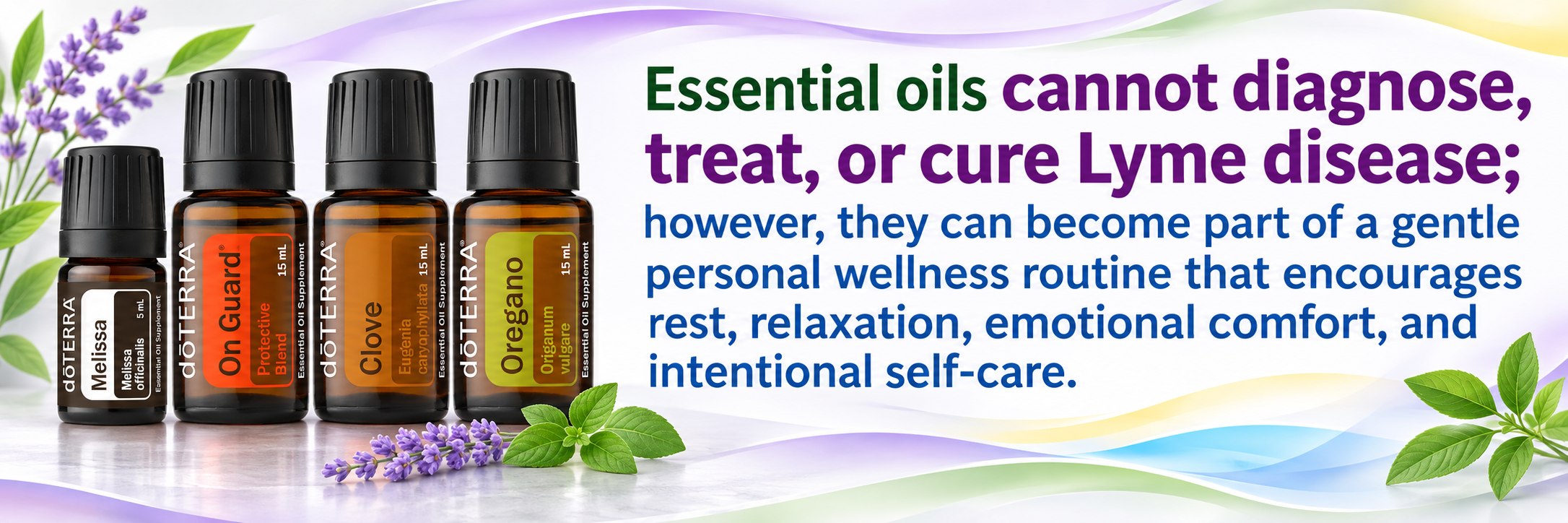
As a nurse and wellness advocate, my first message is simple: you deserve to be heard, supported, and treated with compassion. Lyme disease is a bacterial infection that requires appropriate medical evaluation and treatment. Essential oils cannot diagnose, treat, or cure Lyme disease, however, they can become part of a gentle personal wellness routine that encourages rest, relaxation, emotional comfort, and intentional self-care.
Understanding Lyme Disease
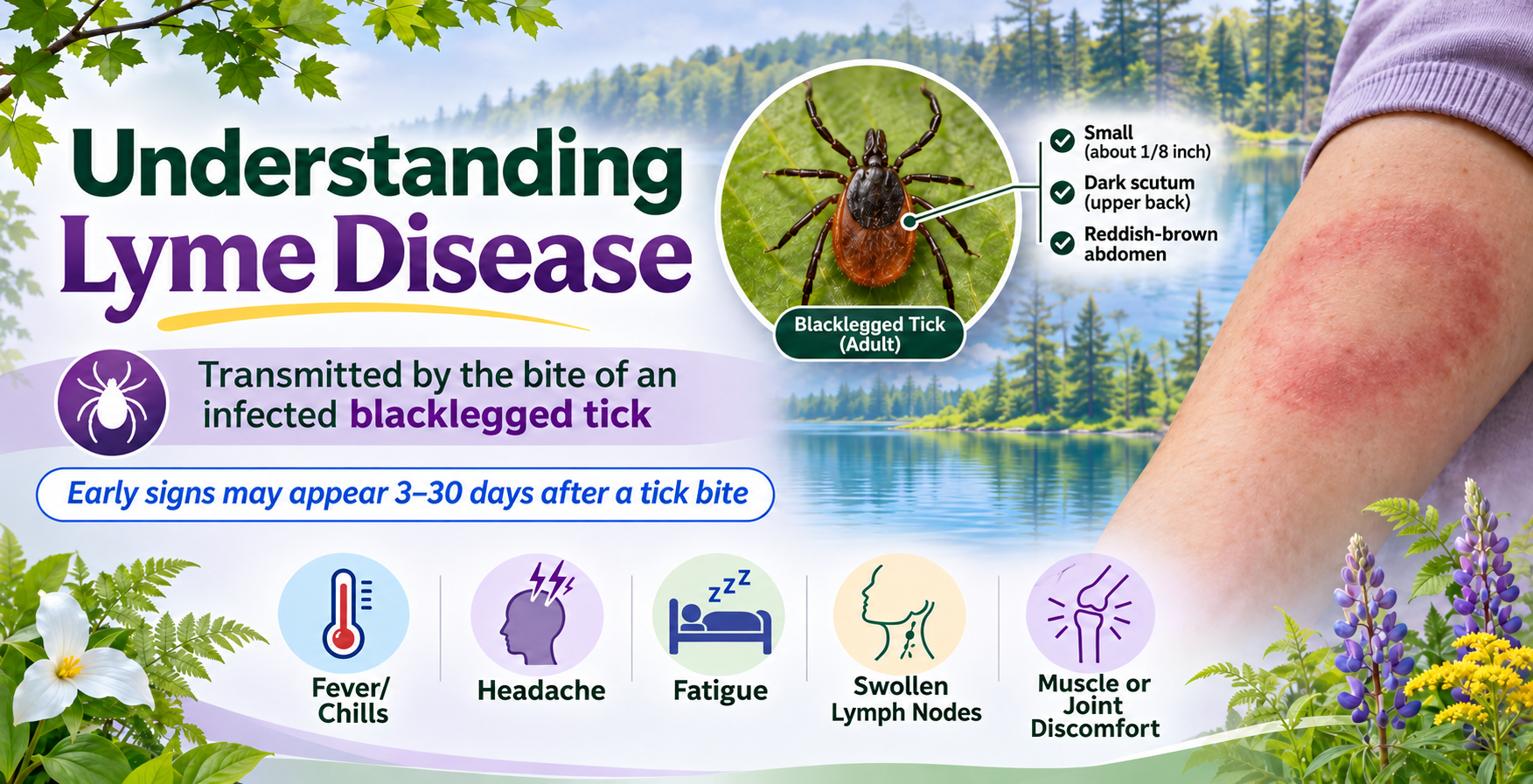
Lyme disease is an infection caused primarily by the bacterium Borrelia burgdorferi. In the United States, it is transmitted through the bite of an infected blacklegged tick. It is most common in the Northeast, mid-Atlantic, and upper Midwest, although exposure can occur elsewhere. CDC
Early symptoms may appear between three and 30 days after a tick bite. They can include fever, chills, headache, fatigue, swollen lymph nodes, and muscle or joint discomfort. Approximately 70% to 80% of infected people develop an expanding erythema migrans rash. It may sometimes resemble a bull’s-eye, but it can take many different forms and does not always have central clearing.
A small red bump that develops immediately after a tick bite and fades within a day or two is generally a local reaction rather than an erythema migrans rash. An expanding rash, especially when accompanied by flu-like symptoms, should be evaluated promptly.
Without treatment, Lyme disease may spread to the joints, heart, and nervous system. Later symptoms can include severe headache, neck stiffness, facial weakness, nerve discomfort, numbness, tingling, heart palpitations, dizziness, shortness of breath, or significant joint pain and swelling. Anyone experiencing these symptoms after possible tick exposure should seek medical attention. CDC
Healthcare professionals diagnose Lyme disease by considering symptoms, examination findings, the likelihood of tick exposure, and laboratory results when appropriate. The CDC recommends FDA-cleared antibody tests using a two-step process. Because antibodies take time to develop, testing can sometimes be negative during the first few weeks of infection. CDC
Medical Treatment Comes First
Most cases of Lyme disease can be treated successfully with antibiotics. Commonly used medications include doxycycline, amoxicillin, and cefuroxime axetil. The medication and length of treatment depend on factors such as the person’s symptoms, age, allergies, pregnancy status, and the stage or manifestations of the infection.
People treated during the early stages usually recover rapidly and completely. Some individuals experience prolonged fatigue, body aches, or difficulty thinking after completing recommended treatment. Persistent symptoms should be discussed with a qualified healthcare professional rather than managed by continuing, stopping, or changing treatment independently. CDC
Essential oils should not be described as antimicrobial treatment for Lyme disease. Laboratory findings about an oil or one of its chemical constituents do not demonstrate that applying or inhaling the oil can eliminate an infection inside the human body. Disease-treatment claims also place essential-oil products within drug-regulation requirements, and the FDA has taken action against unsupported Lyme disease claims. FDA
How Essential Oils May Fit into a Wellness Routine

Aroma can become a sensory cue for slowing down, breathing comfortably, resting, journaling, stretching, or preparing for sleep. This does not mean the aroma is treating Lyme disease. Instead, it accompanies behaviors that may help a person create calmer moments during a medically supervised recovery.
Frankincense
Frankincense has a warm, resinous, earthy aroma. Many people use it during meditation, reflection, prayer, or slow breathing. Its grounding scent can make it a helpful companion for a quiet evening routine or a brief restorative pause.
Melissa
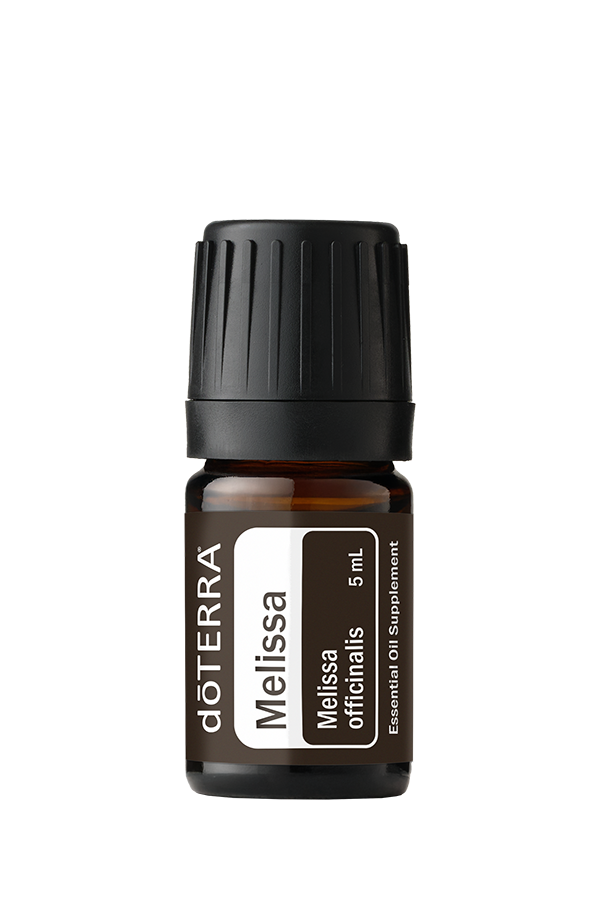
Melissa, also called lemon balm, has a fresh, delicate citrus-herbal aroma. It is often selected for emotionally comforting blends because its fragrance feels bright without being overpowering. Because Melissa is highly concentrated, only a very small amount is needed.
On Guard
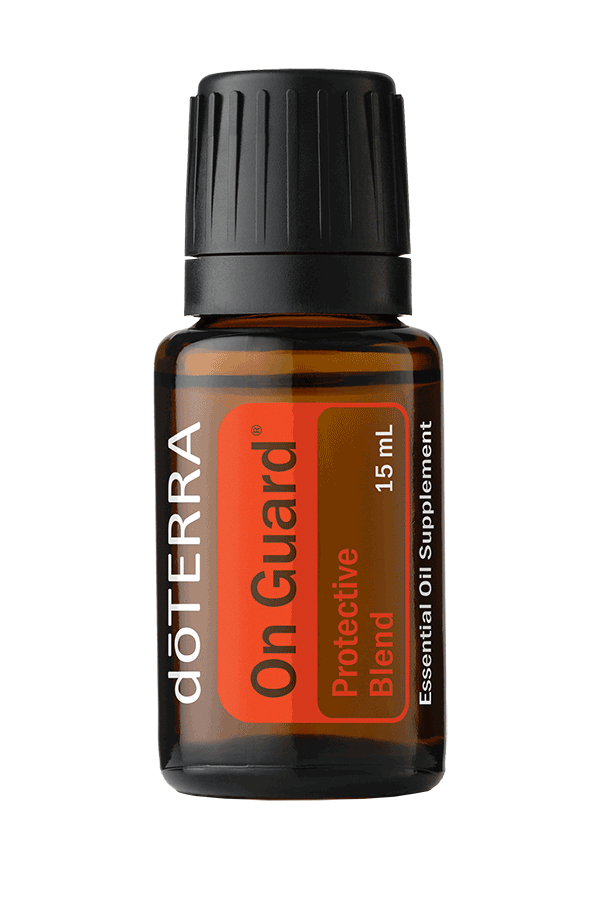
On Guard has a warm, spicy, citrus-forward fragrance. Its familiar seasonal aroma may create a sense of freshness and comfort. It should be carefully diluted before topical application because it contains strong oils, including clove and cinnamon bark.
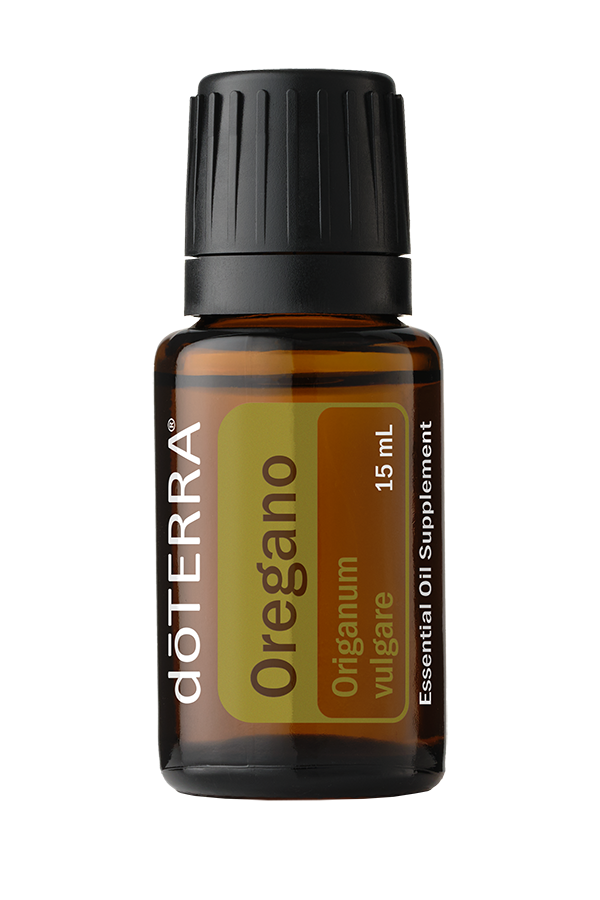
Oregano
Oregano essential oil has an intense herbal aroma. It is rich in potent constituents and is frequently discussed in laboratory research, but that does not establish it as a treatment for Lyme disease. It can cause significant skin irritation and should not be casually added to a daily rollerball.
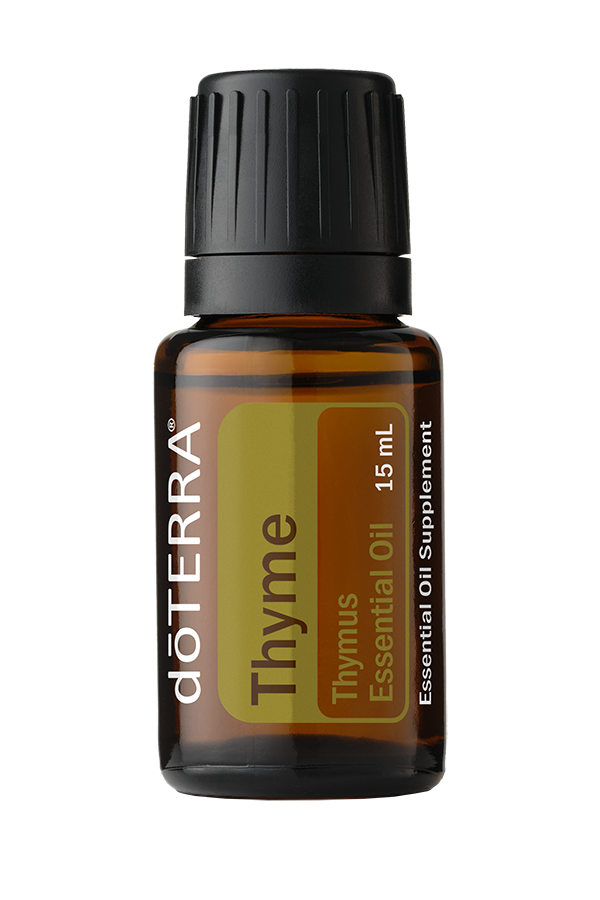
Thyme
Thyme has a strong herbaceous fragrance. Its chemical composition can vary by type or chemotype, making safety decisions more complex. Some forms are especially irritating. Use requires careful product identification, substantial dilution, and professional guidance.
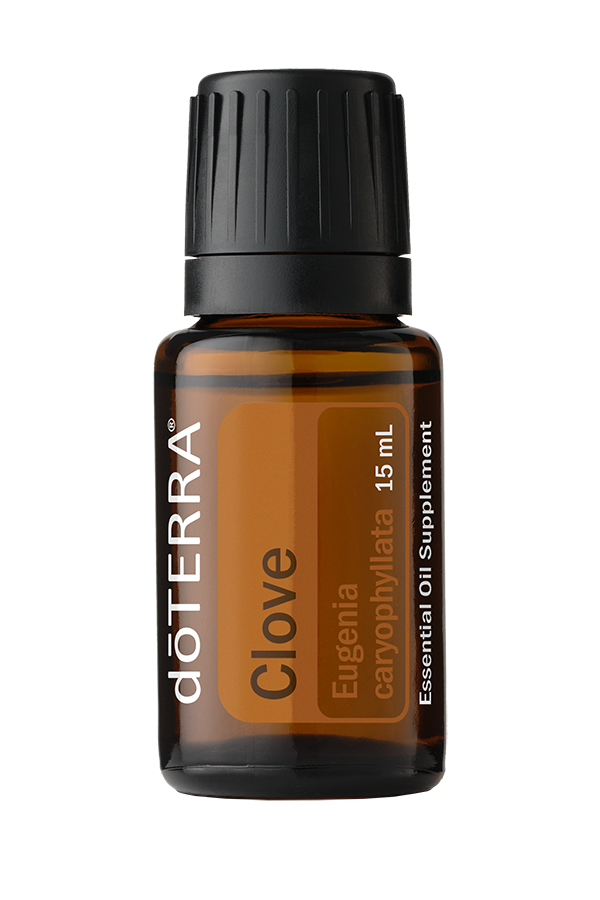
Clove
Clove provides a rich, warm, spicy scent. It is a powerful oil that can irritate skin and mucous membranes. Repeated exposure or excessive concentration may increase the possibility of sensitization.
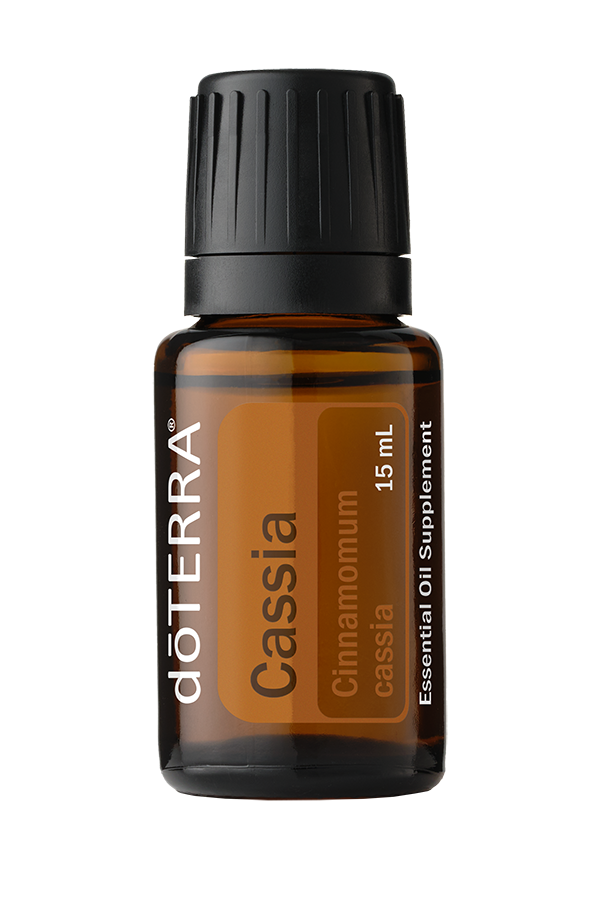
Cassia or Cinnamon Bark
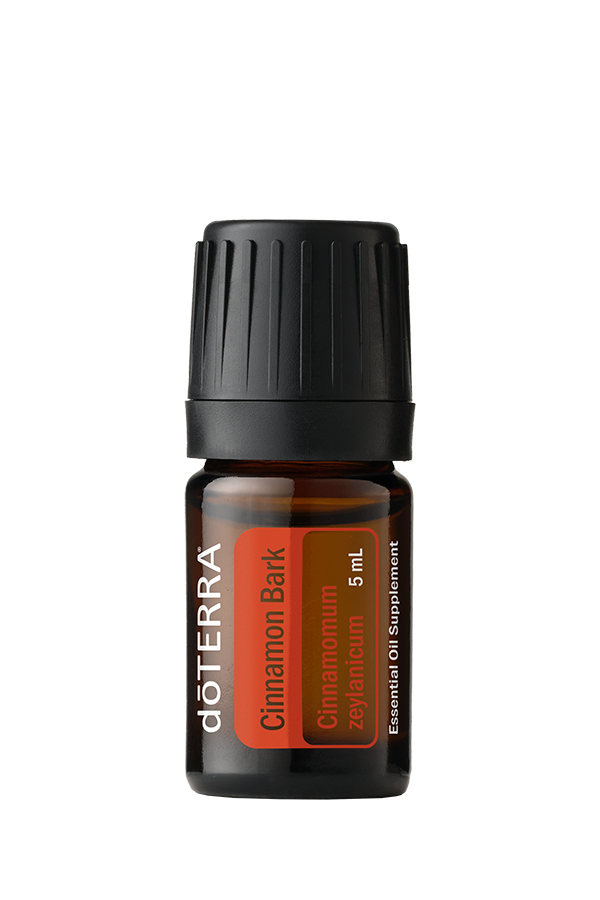
Cassia and cinnamon bark have bold, warming aromas, but they are among the most skin-irritating essential oils. A single full drop can be too concentrated for a small personal rollerball. I do not recommend using either one in a routine leave-on rollerball prepared at home.
“Natural” does not automatically mean gentle or safe. The FDA notes that plant-derived aromatic ingredients may still be toxic, irritating, or capable of causing allergic reactions. FDA
A Gentler Comfort Rollerball
Combining carefully selected essential oils in a properly diluted rollerball creates a balanced aromatic experience that draws on the complementary qualities of each oil. In the gentler comfort blend, Frankincense provides a warm, grounding foundation; Melissa contributes a bright, comforting note; and On Guard adds a familiar spicy-citrus aroma. Together, these oils create a more layered and harmonious fragrance than any one oil may provide alone.
The rollerball format also offers practical benefits: it keeps the blend pre-diluted in a carrier oil, supports controlled application, reduces waste, and makes the aroma easy to use during travel, rest, reflection, or other daily wellness routines. Repeatedly pairing the blend with slow breathing, relaxation, journaling, or an evening wind-down routine may help the aroma become a familiar sensory reminder to pause and care for oneself. The combined blend is intended for aromatic comfort and supportive self-care; it does not treat Lyme disease, eliminate infection, or replace medical evaluation and prescribed treatment.
Essential Oils Rollerball Ingredients:
Oregano - 3 drops
Thyme - 3 drops
Clove - 3 drops
Cassia or Cinnamon Bark - 3 drops
Frankincense - 2 drops
Melissa - 2 drops
On Guard - 2 drops
Fractionated coconut oil
One clean 10mL glass rollerball bottle
This blend is intended only to provide a pleasant aroma and accompany relaxation. It is not intended to relieve symptoms, fight bacteria, strengthen immunity, reduce inflammation, or treat Lyme disease.
Directions
Wash and dry your hands and make sure the rollerball bottle is clean and completely dry.
Add the essential oils
Fill the remainder of the bottle with fractionated coconut oil, leaving enough room to insert the rollerball fitting.
Secure the rollerball top and cap.
Gently roll or invert the bottle several times to combine the ingredients.
Label the bottle with its ingredients and the date it was prepared.
Patch Testing and Application
Before regular use, apply a small amount to a limited area of intact skin, such as the inner forearm. Wait 24 hours and observe for redness, burning, itching, swelling, or other irritation. A delayed reaction is possible, so the absence of immediate discomfort does not guarantee that repeated use will be suitable.
If the patch test is comfortable, apply a small amount to a limited area such as the wrists or upper chest. Avoid the eyes, face, mouth, broken skin, irritated areas, and the site of an unexplained rash or tick bite. Do not apply the rollerball directly over an erythema migrans rash or use it to delay medical evaluation.
Stop using the blend if irritation, headache, nausea, breathing discomfort, or another unwanted reaction occurs. Wash the area with mild soap and water. Allergic reactions and skin irritation can occur when essential oils remain in contact with the skin. NCCIH
Consult a healthcare professional before topical essential-oil use during pregnancy or breastfeeding, for children, or when managing asthma, allergies, seizures, highly sensitive skin, multiple medications, or other significant health concerns. Store the bottle away from children and pets. Do not swallow the blend.
Creating a Broader Supportive Routine
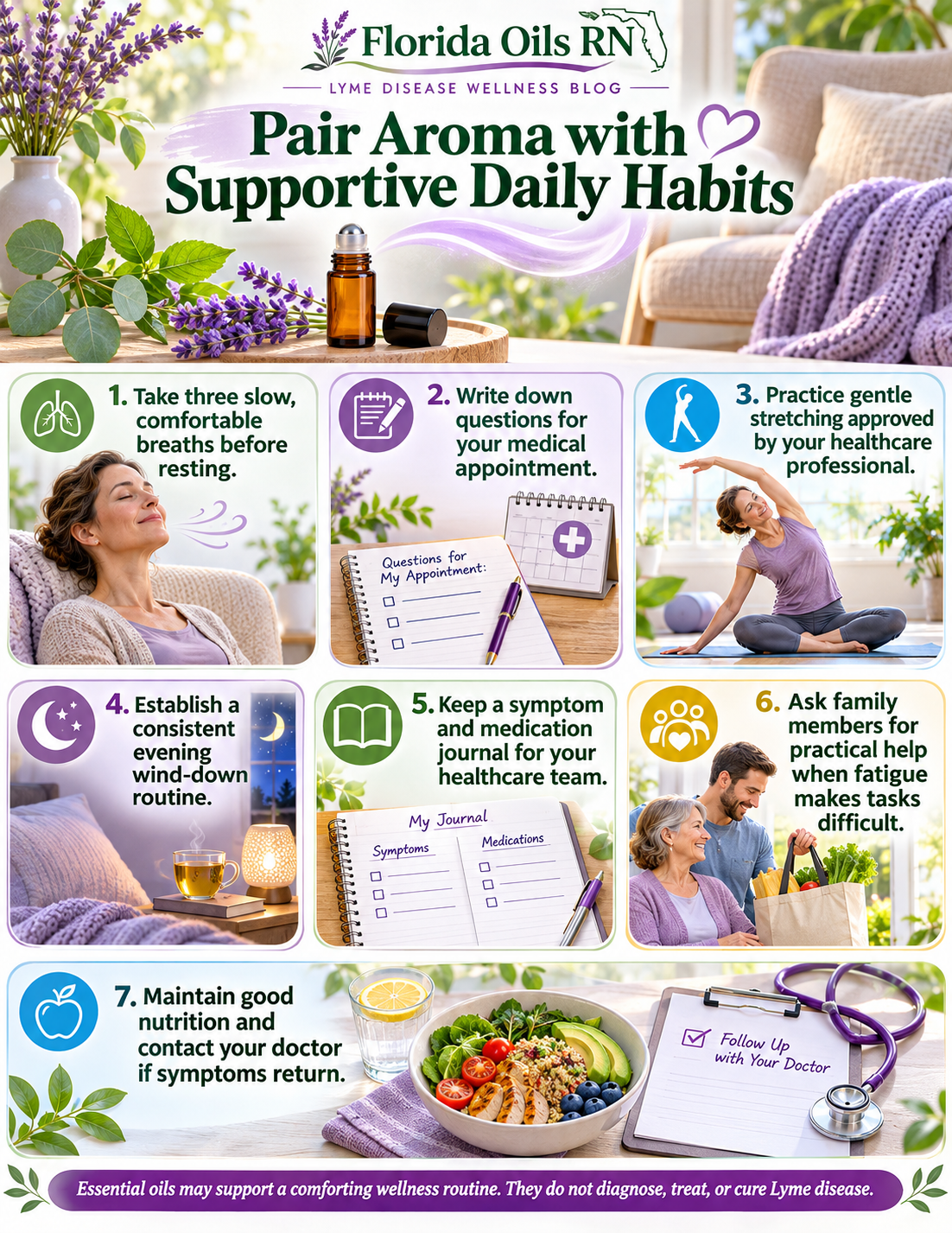
A rollerball should be only a small optional part of a larger plan. Medical appointments, prescribed treatment, hydration, nourishing food, appropriate movement, sleep, and emotional support deserve priority.
Try pairing the essential oils aroma with a specific daily habit:
Take three slow, comfortable breaths before beginning a rest period.
Use the aroma while writing down questions for a medical appointment.
Pair it with gentle stretching approved by your healthcare professional.
Establish a consistent evening wind-down routine.
Keep a symptom and medication journal to share with your healthcare team.
Ask family members for practical assistance when fatigue makes everyday tasks difficult.
Maintain good nutrition and revisit your doctor should symptoms return.
Seek prompt medical care after a possible tick exposure if you develop an expanding rash, fever, unusual fatigue, facial weakness, significant joint swelling, heart palpitations, dizziness, shortness of breath, severe headache, neck stiffness, numbness, or tingling. Do not wait for a rash; not everyone develops one.
Living with Lyme disease or prolonged symptoms can require patience, persistence, and a healthcare team willing to listen. Essential oils may add a comforting sensory element to daily life, but they should remain in their proper place: alongside gentle wellness habits, never in place of evidence-based diagnosis and treatment.
With care and compassion,
Sheila Tucker, RN

This educational blog is not medical advice. Essential oils are not approved treatments for Lyme disease. Consult a qualified healthcare professional regarding symptoms, testing, treatment, medication interactions, and complementary practices.